One small, wrinkled fruit in your pantry may quietly do more for your iron levels than the spinach you force yourself to eat.
Story Snapshot
- Dried apricots pack several times more iron per bite than fresh apricots.
- Women 19–50 need about 18 milligrams of iron a day, so food strategy matters.
- Vitamin C can dramatically boost how much plant-based iron your body actually absorbs.
- Dried apricots help support iron intake, but they cannot replace real treatment for anemia.
The iron problem most women never see coming
Most women do not feel iron slipping away; they just feel tired, foggy, and older than they are. Iron builds hemoglobin, the protein that lets red blood cells carry oxygen, so low iron quietly drains energy, focus, and even mood over time. Expert guidelines put daily iron needs for women of childbearing age at about 18 milligrams a day, more if pregnant, because monthly blood loss adds up fast over the years.
Doctors reach for iron pills because they work fast, but many women cannot tolerate the stomach pain, constipation, and nausea that come with them. That is where food comes back into the picture. The question is not “supplements or food,” but how to use smart foods to raise your baseline so you are not always one bad month away from a crash. Here is where a homely brown fruit has more going on than trendy powders and gummies admit.
What dried apricots actually bring to the table
Dried apricots are not magic, but they are efficient. When you dry fruit, you remove water and shrink the volume, so minerals get more concentrated. A quarter cup of dried apricots gives about 0.9 milligrams of iron, compared with only about 0.1 milligram in one fresh apricot. Some references that look at larger serving sizes report closer to 2–3 milligrams per serving, but either way the pattern is the same: dried beats fresh by a wide margin.
Now the bad news for anyone hoping for a miracle snack. Even at the higher 2–3 milligram range, that is at best around 15 percent of a woman’s daily iron need. That means dried apricots are a strong supporting actor, not the lead. Fruit can help, but it will not carry the full load. You still need iron from meat, poultry, seafood, beans, or well-designed supplements if you are truly deficient.
Why vitamin C turns “plant iron” from background noise into a tool
There is a catch that many headlines skip. The iron in apricots is non-heme iron, the plant form your body absorbs far less easily than the heme iron in steak or liver. Typical absorption from mixed diets is around 14–18 percent, while vegetarian-style diets often sit closer to 5–12 percent, because plant compounds block some uptake. That is where vitamin C becomes the quiet hero that actually changes the math.
Vitamin C helps change iron into a form that your gut absorbs more easily and can form stable complexes that keep it soluble. Clinical work has shown that pairing iron with enough ascorbic acid can multiply absorption several-fold, though those dramatic sixfold boosts usually involve supplement-level vitamin C doses, not just what you get in a few pieces of fruit. Still, day-to-day, this is simple: eat iron with vitamin C, or you waste much of it.
🥜 Dried apricots have more iron than red meat.
100g delivers 2.7mg of iron, plus a compound that may cut lung cancer risk by 27%.
Snack smarter, not harder.
Sources: USDA FoodData, Cancer Epid. B&P#omgfacts #Nutrition #IronRich pic.twitter.com/V7u28fUGHA
— dose. (@dose) July 3, 2026
How to use dried apricots wisely if you are worried about iron
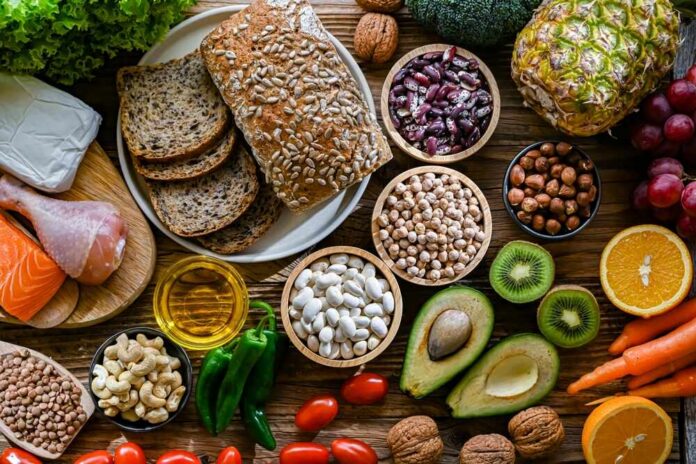
Think in meals, not magic bullets. A small handful of dried apricots alongside a glass of orange juice or with strawberries in a yogurt bowl takes advantage of vitamin C’s boost on non-heme iron. Adding them to a meat stew or a lentil dish quietly raises total iron and brings some sweetness without turning dinner into dessert. This pattern respects how the body actually works, instead of betting on one “superfood.”
There is one more wrinkle: the same plant chemicals that protect fruits, like polyphenols, can sometimes block iron absorption in high amounts. Research with beans shows polyphenols can cut iron absorption by up to about 45 percent at higher doses. That does not mean dried apricots are bad, but it does mean more is not always better. Moderation, variety, and pairing with vitamin C and protein make far more sense than eating half a bag and hoping for the best.
Sources:
goodrx.com, webmd.com, kashmiril.com, pmc.ncbi.nlm.nih.gov, frontiersin.org, nutritionsource.hsph.harvard.edu, sciencedaily.com, sciencedirect.com, sanitarium.com