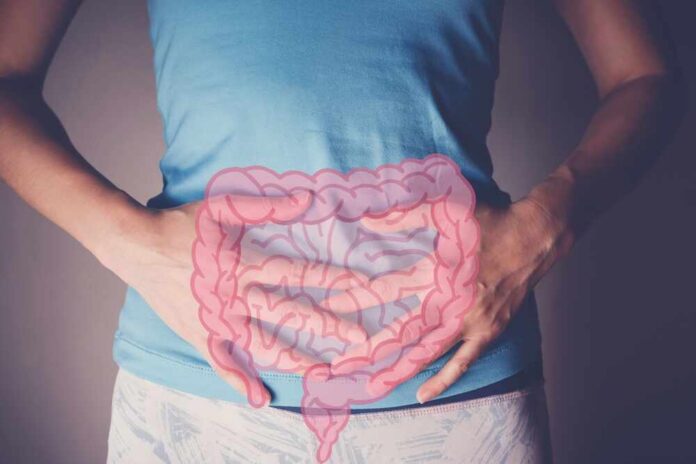
Your childhood traumas might be silently wrecking your gut decades later.
Story Snapshot
- Early life stress like maternal separation or abuse reprograms the gut-brain axis, causing lifelong digestive chaos from IBS to chronic constipation.
- NYU researchers fused mouse experiments with data from over 52,000 kids, proving the link beyond doubt.
- Distinct pathways emerge: sympathetic nerves drive motility issues, while serotonin and hormones fuel pain—paving way for precision treatments.
- Human risks hold steady across sexes, unlike mice, urging doctors to probe childhood histories in every GI visit.
Study Unveils Gut-Brain Stress Mechanisms
Researchers at NYU College of Dentistry’s Pain Research Center separated mouse pups from mothers during key development windows. These pups developed persistent gut motility disorders into adulthood. Sympathetic nervous system signaling drove slowed motility in males and accelerated motility in females. Sex hormones and serotonin pathways separately triggered visceral pain hypersensitivity. Kara Margolis, MD, director of the center, led this preclinical work to map exact mechanisms disrupted by early life stress.
Human confirmation came from a Danish cohort tracking over 40,000 children from birth to age 15 and the US ABCD study of about 12,000 kids aged 9-10. Children exposed to maternal depression, abuse, or neglect showed higher rates of GI diagnoses like irritable bowel syndrome, constipation, and diarrhea. Risks persisted regardless of sex, mirroring mouse findings on symptom elevation but not sex-specific patterns. This integration of animal causality with population-scale data sets this study apart.
Historical Roots in Animal Models
Early 2000s rodent studies exposed neonatal maternal separation models to psychosocial stress. These rats displayed heightened colonic inflammation, mast cell activation, and vulnerability to gut infections. Hypothalamic-pituitary-adrenal axis maturation faltered, leading to exaggerated stress responses and IBS-like vulnerability. Prolonged glucocorticoid exposure from overridden neonatal HPA hyporesponsiveness rewired gut-brain signaling permanently. Porcine early weaning models in the 2010s replicated human chronic diarrhea via conserved enteric nervous system-corticotropin-releasing factor-mast cell axes.
Margolis’s prior research connected maternal antidepressant use to child constipation, building on these precedents. Barreau et al. demonstrated neonatal maternal separation rats suffered amplified gut inflammation. Porcine models echoed infant formula and weaning stresses causing enduring diarrhea. These foundations highlighted ELS acting in critical developmental periods when the HPA axis remains hyporesponsive, programming lifelong allostatic load for GI and psychological woes.
Key Players Driving Discovery
Kara Margolis, MD, professor at NYU College of Dentistry and Grossman School of Medicine, spearheaded mouse experiments and cohort analyses. As Pain Research Center director, she advocates routine childhood stress screening in GI clinics. NYU institutions executed preclinical and human studies. Danish and ABCD teams supplied over 52,000 child records tying maternal depression and ELS to GI outcomes. Margolis influences practice through publications, pushing targeted therapies for disorders of gut-brain interaction.
Scientists link childhood stress to lifelong digestive issues https://t.co/ebyfT1MskD
— Un1v3rs0 Z3r0 (@Un1v3rs0Z3r0) March 18, 2026
Journal editors at Gastroenterology validated the March 2026 publication. Clinical guideline bodies eye these findings for pediatric protocols. Academic leverage of public cohorts empowers researchers like Margolis to bridge lab insights to patient care. Her motivation centers on ditching generic treatments for mechanism-based fixes.
Implications Reshape GI Care
Short-term shifts demand GI doctors ask about childhood adversity in consultations, boosting integrated anxiety and gut therapies. Long-term, sympathetic blockers target motility woes, while serotonin modulators tackle pain—potentially curbing disorders of gut-brain interaction prevalence. Children facing maternal depression endure elevated IBS and constipation risks; integrated pediatric-mental health care stands to gain most. Early screening cuts healthcare costs by reducing adult morbidity, destigmatizing family stress in medical contexts.
Sources:
Early life stress linked to long-lasting digestive issues
PMC article on early life stress and GI function
PubMed study on ELS and gut microbiome
Columbia news on child GI and mental health