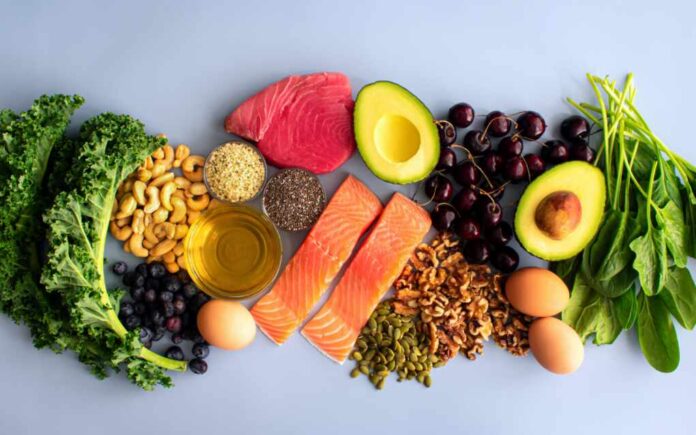
A high-protein diet slashed cholera bacteria in mice guts by 100-fold, turning milk and wheat into weapons against a killer disease.
Story Highlights
- UC Riverside study shows casein from dairy and wheat gluten suppress cholera’s toxin syringe by up to 100 times.
- High-fat and high-carb diets offered little protection in mouse tests.
- Antibiotic-free approach targets resource-poor regions in Asia and Africa.
- Lead researcher Ansel Hsiao calls it a low-risk public health tool.
UC Riverside Team Discovers Protein Power Against Cholera
UC Riverside researchers led by Ansel Hsiao tested dietary extremes on cholera-infected mice. High-protein diets rich in casein and wheat gluten reduced Vibrio cholerae colonization by up to 100-fold versus balanced diets. High-carbohydrate diets showed limited effects. High-fat diets provided minimal protection. The study appeared in Cell Host & Microbe in January 2026. This positions everyday foods as defenses where clean water stays scarce.
Cholera’s Syringe Weapon Meets Its Match
Vibrio cholerae deploys a type 6 secretion system, a microscopic syringe, to inject toxins into gut competitors. Casein and wheat gluten suppress this T6SS mechanism. Amino acids from protein breakdown disrupt bacterial machinery. Cholera fails to kill rivals or dominate the gut. Casein also blocks cholera toxin binding to intestinal cells. Protection persisted through infection without side effects. Soy protein proved less effective.
From Mouse Models to Global Hope
Antibiotic resistance plagues cholera treatment. Overuse bred resistant strains causing severe diarrhea and deaths. This research offers non-pharmaceutical prevention. Cholera hits Asia and Africa hardest, where malnutrition weakens defenses. Zinc and vitamin A shortages worsen outcomes. High-protein strategies build resilience cheaply. Public health groups eye deployment in endemic zones. Dairy and wheat become frontline tools.
Stakeholders See Paradigm Shift
Ansel Hsiao noted the surprise at diet’s magnitude: 100-fold colonization differences. He stressed not all proteins equal; casein and gluten excel. Regulatory safety favors foods over microbes. Cholera victims gain affordable access. Public health organizations seek implementation partners. Dairy industries spot market growth. Antibiotic makers face competition from nutrition.
Findings demand human trials for translation. Mouse microbiomes differ from humans. Optimal protein doses remain undefined. Resource limits challenge delivery. Yet facts support promise. This complements rehydration and sanitation, not replaces them.
Sources:
High-protein diet leads to “dramatic” cholera bacteria reduction in mice
A high-protein diet can defeat cholera infection – UCR News
Diet that reduces cholera risk by 100x
Diet modulates Vibrio cholerae colonization and competitive … – PMC
Scientists Discover a High-Protein Diet Could Dramatically Reduce …
High Protein Diets Found to Reduce Cholera Infection in New Study