Tiny newborns, once doomed to risky drug overdoses from adult malaria meds, now have their first lifesaving treatment greenlit by the WHO—will this end the silent killer’s grip on Africa’s most vulnerable?
Story Highlights
- WHO prequalifies Coartem Baby, the first antimalarial for infants 2-5 kg, closing a deadly treatment gap.
- Novartis and MMV collaborate to deliver it not-for-profit in malaria hotspots.
- Prior off-label dosing risked toxicity; this dispersible formula ensures safety.
- Swissmedic approved it first in 2025; eight African nations follow soon.
- Complements new WHO diagnostic tests targeting resistant parasites.
The Deadly Gap in Newborn Malaria Care
Malaria kills thousands of children under five yearly in sub-Saharan Africa. Newborns weighing 2-5 kg faced exclusion from clinical trials due to immature livers. Doctors split adult or older-child tablets, risking overdoses and toxicity. Novartis and Medicines for Malaria Venture (MMV) developed Coartem Baby, a dispersible artemether-lumefantrine formulation tailored for these infants. This addresses uncomplicated malaria directly, without dangerous improvisations.
Swissmedic granted initial approval on July 8, 2025, after trials in eight African countries. Rapid follow-on approvals there enable local use. The dispersible form dissolves easily for precise dosing, critical for health workers in remote areas.
WHO Prequalification Unlocks Global Access
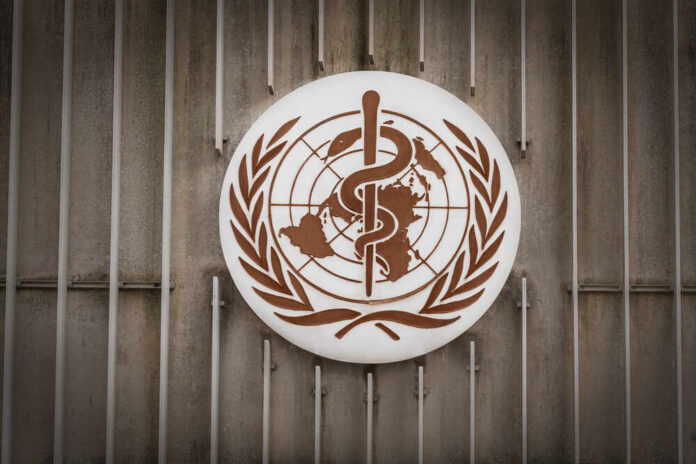
WHO prequalified Coartem Baby on April 24, 2026, verifying quality, safety, and efficacy. This stamp enables UN agencies and public sectors in endemic regions to procure it. Dr. Daniel Ngamije Madandi, WHO’s Malaria Director, called it an innovation since no prior antimalarials targeted 2-5 kg children. Novartis President of Global Health, Dr. Lutz Hegemann, hailed the step toward access for the tiniest babies.
MMV emphasized not leaving the smallest behind. Novartis supplies it largely not-for-profit, aligning with conservative values of self-reliance and targeted aid over endless handouts. This model empowers local systems without dependency, a practical win for equity.
Stakeholders Drive Collaborative Breakthrough
Novartis leads manufacturing, MMV handles R&D for vulnerable patients. WHO acts as gatekeeper for standards. African trial sites, including MRCG at London School of Hygiene & Tropical Medicine under Dr. Umberto D’Alessandro, supplied data on metabolism risks excluding the youngest from prior studies. Their collaboration builds credibility—power shared effectively among innovators and regulators.
Dr. D’Alessandro noted overdose dangers from off-label use; facts back his praise for this proven treatment. Uniform expert views confirm the gap’s reality, with no credible dissent.
Impacts Reshape Pediatric Malaria Fight
Short-term, UN procurement slashes toxicity risks for 30 million annual births in African hotspots. Long-term, it saves infant lives, advancing elimination goals. Families and clinicians escape improvisation hazards. Economically, not-for-profit pricing eases public budgets; socially, it delivers justice to the defenseless. Politically, it bolsters trust in proven global health partnerships.
This sets precedents for pediatric drugs, speeding African approvals. It pairs with WHO’s new pf-LDH diagnostic tests, targeting parasites evading standard detection. Limited details on tests exist, but they promise reliable alternatives. True progress combines treatment and tools—malaria’s retreat accelerates.
Sources:
Novartis receives approval for first malaria medicine for newborn babies and young infants
First malaria treatment approved for newborns, young infants
WHO Prequalifies Novartis’ Coartem Baby for Treatment of Malaria in Newborns and Young Infants
Novartis malaria treatment Coartem® Baby receives WHO prequalification