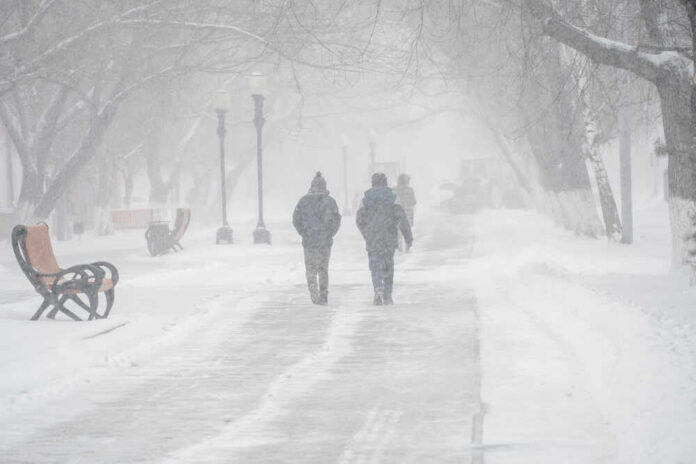
The snow melts, the house stays sealed, and a quiet indoor health hazard starts building behind your walls.
Quick Take
- Snowstorms set off a chain reaction: meltwater and condensation feed mold while winter “tight house” habits trap moisture indoors.
- Attics, basements, crawl spaces, and window frames take the hardest hit because they combine cold surfaces with hidden damp.
- Mold symptoms often masquerade as winter colds and allergies, delaying the real fix while exposure continues.
- Drying water-damaged areas fast matters; the 24–48 hour window is where prevention usually wins or loses.
Snowstorm Mold Isn’t a Horror Story—It’s a Physics Problem in Your House
Winter mold surprises homeowners because the outdoor air feels too cold for anything to “grow.” Inside, the rules change. Heated indoor air holds moisture, then dumps it when it hits cold surfaces like roof decking, exterior walls, and window corners. Add a snowstorm that pushes meltwater toward foundations and weak spots, and moisture shows up in places you rarely inspect. Mold doesn’t need drama; it needs damp, darkness, and time.
The most insidious part is how normal the setup looks. You crank the heat, you keep windows shut, you block drafts, and you celebrate a cozy home. Those comfort moves also reduce fresh-air exchange and slow drying. Moisture from showers, cooking, laundry, and even breathing accumulates. If a small roof leak, ice dam, or hairline foundation crack joins the party, the house becomes a low-ventilation incubator that can stay “wet enough” for weeks.
Where Winter Moisture Hides: The Four Zones Mold Loves Most
Attics top the list because warm air rises and meets a cold roof. Poor insulation or air leaks around recessed lights and bathroom fans can send moisture straight to the underside of roof sheathing, where condensation collects on wood. Basements come next: snowmelt and groundwater press against foundation walls, and the air down there often stays stagnant. Crawl spaces combine ground moisture with plumbing seepage, and most homeowners avoid them until something smells “off.”
Windows and their surrounding drywall deserve special suspicion in January and February. Condensation beads on glass, then runs to sills and corners where insulation is weakest. Over time, that moisture can wick into wood trim or drywall paper facing, which mold readily colonizes. People wipe the glass and think they solved it, but the damp has already migrated. That’s why the first visible stain near a frame often signals a longer, hidden wetting history.
Health Effects: Why People Mistake Mold Exposure for a “Bad Winter”
Mold-related symptoms often blend into the seasonal background noise: congestion, coughing, wheezing, watery eyes, sore throat, and skin irritation. Adults over 40 tend to power through those signs, chalking them up to age, dust, or a lingering cold. That’s exactly how exposure stretches from days into months. When asthma flares or sinus infections keep returning, the house—not the person—may be the persistent irritant.
Longer exposure raises the stakes, especially for people with asthma, chronic lung conditions, or weaker immune systems. Reports across medical and public-health guidance link ongoing indoor mold to respiratory problems and, in some cases, more complex issues like chronic fatigue and cognitive or mood impacts.
“Toxic Black Mold” vs. The Bigger Truth: Any Indoor Mold Can Be a Problem
Homeowners fixate on the phrase “toxic black mold,” usually referring to Stachybotrys chartarum. That fear has roots in high-profile claims from decades ago, but medical experts also emphasize a key reality: the science around whether this specific mold is uniquely dangerous remains debated. The practical takeaway stays steady across reputable sources—prolonged exposure to indoor mold of many types can aggravate asthma, inflame lungs, and contribute to lingering health complaints.
That perspective should steady your decision-making, not soften it. You don’t need a lab result or a scary headline to act. If you have recurring moisture and a musty odor, you have a building problem and a health-risk multiplier. Waiting until someone in the home develops severe symptoms turns a manageable cleanup into a bigger remediation and a bigger medical bill. Responsibility means dealing with causes—water intrusion and ventilation—rather than chasing labels.
The 24–48 Hour Countdown: How to Win Before Mold Takes Hold
Storm week creates a narrow window where simple action can prevent expensive consequences. Drying matters more than disinfectant. If a pipe leaks, a basement seeps, or snowmelt finds a path in, remove wet materials and get aggressive airflow and dehumidification going immediately. Bathrooms and kitchens need exhaust fans that actually vent outside. Attics need proper insulation and ventilation so warm, moist air doesn’t condense on cold wood.
Smart homeowners also inspect with a “silent damage” mindset. Check the attic after big temperature swings. Look for damp insulation, dark spotting on roof sheathing, and bathroom fan ducts that dump moist air in the attic instead of outdoors. In basements, watch for efflorescence, damp corners, and soft baseboards. If you smell mustiness but can’t find it, that’s a clue, not a mystery—moisture is feeding something somewhere.
Professional remediation earns its keep when mold covers large areas, returns quickly, or follows flooding. Done right, remediation protects occupants and prevents cross-contamination during cleanup. Done wrong, it spreads spores through the HVAC system and turns one room into many. The goal isn’t to live in fear of winter; it’s to stop treating moisture as a cosmetic annoyance. After a snowstorm, the most important home improvement might be the one you can’t see.
Sources:
https://www.fdpmoldremediation.com/blog/black-mold-risks-during-cold-weather/
https://bactronix.com/blog/why-is-black-mold-dangerous/
https://atirestoration.com/blog/toxic-black-mold-vs-black-mold/
https://kffhealthnews.org/news/article/mold-health-crisis-natural-disasters-public-health/
https://www.epa.gov/children/mold-exposure-and-respiratory-conditions-young-children
https://my.clevelandclinic.org/health/diseases/24862-black-mold
https://www.cdc.gov/mold-health/about/index.html
https://www.niehs.nih.gov/health/topics/agents/mold