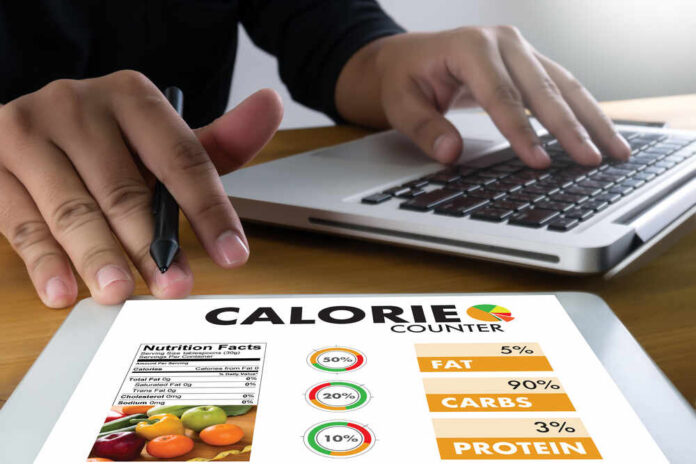
The difference between guessing portions and knowing them precisely could reshape how you eat, lose weight, and manage your health for the rest of your life.
Quick Take
- Kitchen scales have evolved from mechanical relics to intelligent nutrition partners that sync with fitness apps and track 19+ nutrients automatically
- Precision matters: scales accurate to 0.2g eliminate recipe failures and portion-control guesswork that undermines diet adherence
- Smart scales like Etekcity integrate with Apple Health and Fitbit, removing manual logging that derails most people’s nutrition tracking efforts
- Budget options from Salter at £19.99 deliver reliable accuracy without premium price tags, democratizing nutrition tools across income levels
- 2026 innovations include rechargeable batteries, voice controls, and separate displays that solve real kitchen frustrations like obscured readouts
Why Your Kitchen Scale Became Your Nutrition Coach
Home cooks and fitness enthusiasts face a brutal truth: volumetric measuring—cups, tablespoons, eyeballing—introduces errors that compound daily. A scale accurate to 1 gram eliminates this guesswork entirely. Modern scales don’t just weigh; they analyze. Etekcity’s VSYNC app connects to your Apple Health or Fitbit account, automatically logging 19 nutrients without manual entry. This removes friction that causes most people to abandon nutrition tracking after two weeks. The technology exists. The question is whether you’ll use it.
The Budget Revolution Nobody Expected
Salter’s dual-platform scales start at £19.99, delivering precision that rivals models costing five times more. The dual-platform design solves a specific problem: small ingredients like spices need a 0.2-gram platform, while larger portions require a standard surface. This isn’t luxury; it’s engineering that respects how people actually cook. BBC Good Food’s 2026 testing confirmed Salter’s 4.5-star reliability across busy kitchens. Affordability removes the excuse barrier. When precision costs less than a takeout meal, adoption accelerates.
Smart Scales: Where Kitchen Meets Quantified Self
The shift toward “quantified self” health tracking reached the kitchen in 2025. Etekcity emerged as the game-changer, eliminating the disconnect between weighing food and logging macros. Users place food on the scale, the app identifies it, and nutrients sync to their health ecosystem automatically. No googling. No manual calculations. This addresses why most people fail diets: tracking feels like punishment. When the scale does the work, compliance improves. YouTube reviewers rank Etekcity fourth among top choices, but experts note it’s first for serious nutrition enthusiasts willing to embrace technology.
Reliability Still Wins: The OXO Standard
OXO Good Grips ranks number one in independent testing because it solves the unglamorous problem: durability. Home cooks abuse scales—they get splashed, dropped, left wet. OXO’s design withstands this punishment. The platform reads clearly, buttons respond immediately, and the battery lasts. This isn’t innovation theater; it’s engineering that lasts. For meal preppers and family cooks who use scales daily, reliability beats features every time. OXO proves that sometimes the best technology is the one that simply works without drama.
The Voice-Activated Future Arrives Now
Tower’s 2026 partnership scale with BBC Good Food introduces voice controls and 15-kilogram capacity at £43.20. This addresses a specific kitchen reality: hands covered in raw meat or dough can’t punch buttons. Voice activation removes this friction. The scale displays weight on a separate screen, solving the visibility problem when bowls obscure the readout. These aren’t gimmicks. They’re solutions to problems that make people abandon scales after frustration sets in. The 2026 market shows manufacturers finally listening to how people actually cook.
Rechargeable Batteries Changed the Economics
Smeg’s premium model at £129.95 includes USB recharging, eliminating the hidden cost of constant battery replacement. Over five years, a rechargeable scale saves money and reduces waste. This matters to people who cook seriously. The shift from disposable to rechargeable represents the kitchen industry maturing beyond planned obsolescence. Etekcity and other smart scales followed suit, recognizing that tech-forward users expect devices that don’t require constant battery trips to the store.
What the Data Actually Shows About Precision
Testing revealed that 1-gram accuracy separates adequate scales from excellent ones. Below 1 gram, results become inconsistent. Most recipes tolerate ±2 grams; nutrition tracking requires ±1 gram. Salter’s dual-platform achieves this across both surfaces. BBC testers confirmed that scales registering weight at 2 grams showed reliability across repeated measurements. This precision matters less for casual cooking, more for baking where ratios determine success, and most for nutrition tracking where small errors compound into diet failure.
The Market Reality: Digital Dominance, Mechanical Decline
Mechanical scales like Taylor still rank second in some reviews, but their market share shrinks annually. Digital scales cost less, offer precision, and integrate with phones. The mechanical scale era ended not because it failed but because digital technology became cheap enough that everyone can afford precision. This democratization matters. Fifteen years ago, accurate nutrition scales cost $200. Today, Salter delivers equivalent accuracy for £19.99. This price collapse changed who can track nutrition seriously.
The Conversation Your Scale Starts
When you place a scale on your kitchen counter, you make a statement about your health priorities. The scale becomes a daily reminder that nutrition precision matters. Whether you choose Salter’s affordable reliability, Etekcity’s smart integration, or OXO’s durability, the act of weighing food changes behavior. Studies show that people who weigh portions lose more weight than those who estimate. The scale works because it removes interpretation. Food weighs what it weighs. No argument. No negotiation. Just data that forces honesty about consumption.
Sources:
BBC Good Food: 12 Best Kitchen Scales 2026