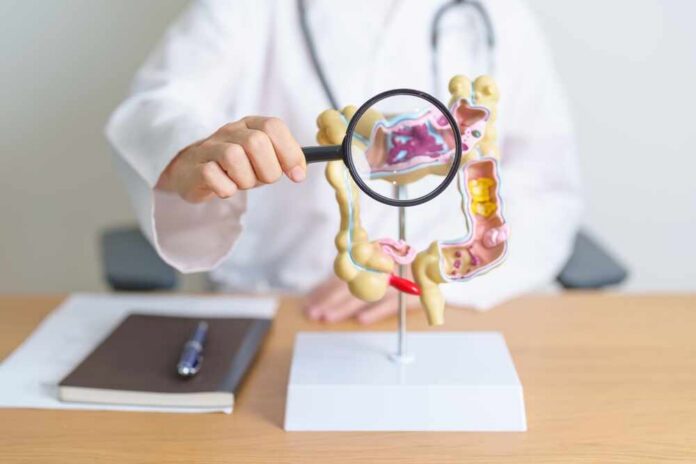
A small clinical trial found that adding a probiotic to standard kidney cancer immunotherapy raised median survival time from 2.5 months to 12.7 months — and scientists are now racing to understand why your gut bacteria may be one of the most powerful levers in cancer treatment.
Story Snapshot
- A probiotic called CBM588 added to kidney cancer immunotherapy increased progression-free survival by more than 400% in a clinical trial
- Patients with higher levels of a gut bacteria called Bifidobacterium tend to respond better to cancer immunotherapy
- Multiple studies show Bifidobacterium strains can slow tumor growth, trigger cancer cell death, and sharpen immune attacks on tumors
- Critics note most data comes from small trials or mouse studies, and some research links over-the-counter probiotics to worse immunotherapy outcomes
The Trial That Changed the Conversation
Researcher Sumanta K. Pal and his team gave patients with metastatic renal cell carcinoma — an aggressive, hard-to-treat kidney cancer — a probiotic called CBM588 alongside two immunotherapy drugs, nivolumab and ipilimumab. The partial response rate jumped from 20% to 58%. Median progression-free survival went from 2.5 months to 12.7 months. Those are not small numbers. In oncology, that kind of jump in a controlled setting demands serious attention.
Here is the nuance that matters: CBM588 contains a bacteria called Clostridium butyricum, not Bifidobacterium directly. But patients who took it showed higher levels of Bifidobacterium in their gut. So the story is not simply “take Bifidobacterium, beat cancer.” The mechanism is more complex — and that complexity is exactly what makes this field so promising and so tricky at the same time.
What Bifidobacterium Actually Does Inside a Tumor Environment
Research shows Bifidobacterium works through several pathways at once. One strain, Bifidobacterium longum, shortened hospital stays after liver cancer surgery — 8.34 days versus 9.67 days — and improved one- and two-year survival rates in a 169-patient trial. Another strain, Bifidobacterium breve, triggered cancer cell death and pulled immune cells called dendritic cells and tumor-infiltrating lymphocytes into the tumor. These are not passive bystanders. They are soldiers being recruited to the fight.
In lung cancer cell lines, Bifidobacterium extracts blocked cancer cell growth and pushed cells toward apoptosis — the process where a cell essentially self-destructs. In colorectal cancer models, Bifidobacterium turned down key cancer-signaling molecules like EGFR and COX-2 while turning up tumor-suppressing signals. The immune system, it turns out, is listening closely to what lives in your gut.
The Honest Limits of What We Know
The science here is real, but it is early. Most of the strongest Bifidobacterium findings come from mouse models or lab cell lines, not large human trials. The kidney cancer probiotic trial that sparked so much excitement enrolled only 29 patients in its key subset. A major review covering more than 16,000 patients found that probiotics generally do not reliably restore gut bacteria to a healthy state after antibiotics — a core assumption behind much of this research.
There is also a counterintuitive warning worth taking seriously. A study in melanoma patients found that taking over-the-counter probiotic supplements was linked to a 70% lower chance of responding to immunotherapy. That finding does not cancel out the clinical trial data, but it does signal that the wrong probiotic, taken without medical guidance, could actually work against treatment. Strain matters. Timing matters. The gut microbiome is not a simple dial you can turn up or down with a capsule from the pharmacy shelf.
Why This Still Matters More Than the Caution Suggests
The standard cancer treatment world moves slowly, and for good reason — patient safety demands it. But the gap between what peer-reviewed research is showing and what oncology guidelines currently recommend is growing wider by the month. The National Comprehensive Cancer Network and the American Society of Clinical Oncology do not yet recommend Bifidobacterium probiotics as part of cancer care. That stance protects patients from unproven claims, but it also means a promising biological tool sits on the sideline while larger confirmatory trials are still being designed.
Researchers are now pushing for Phase III trials pairing specific Bifidobacterium strains with immunotherapy drugs in melanoma and non-small-cell lung cancer. Scientists want to map exactly which metabolites — chemical byproducts that bacteria produce — activate the immune cells that attack tumors. Engineered Bifidobacterium strains that can target tumors directly are already being studied. The gut is not just a digestive organ. For cancer patients, it may turn out to be one of the most important immune organs in the body — and we are only beginning to learn how to use it.
Sources:
mindbodygreen.com, pmc.ncbi.nlm.nih.gov, microbiomepost.com, oncotarget.com, sciencedirect.com, onlinelibrary.wiley.com