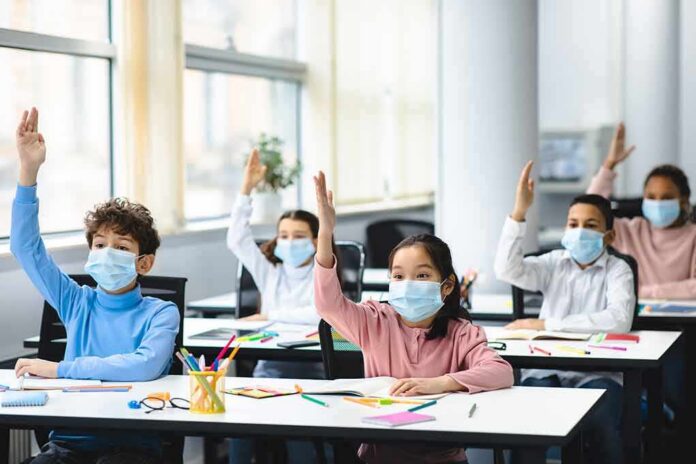
Measles is spreading across the United States at a level not seen in 35 years, and it’s hitting just as millions of kids walk back into crowded classrooms.
Story Snapshot
- The Centers for Disease Control and Prevention (CDC) confirmed 3,659 measles cases and 40 new outbreaks nationwide as of September 24, 2026.
- Ninety-five percent of this year’s confirmed cases are linked to ongoing outbreaks, not isolated travel exposures.
- Kindergarten vaccination coverage has dropped to 92.4 percent, below the level doctors say is needed to stop spread.
- Pennsylvania, Iowa, Illinois, and Kansas are among the states actively responding to active clusters this fall.
A Record Year Collides With The School Calendar
The Centers for Disease Control and Prevention reports 3,659 confirmed measles cases in 2026, tied to 40 separate outbreaks. That number puts this year on track to be the worst for measles in the United States since 1991. The timing is no accident. Schools gather large groups of children in close quarters, and measles spreads through the air with brutal efficiency, making classrooms a natural amplifier for any virus already circulating in a community.
Ninety-five percent of this year’s cases trace back to an active outbreak rather than a random, one-off exposure. That statistic matters because it shows the disease isn’t just popping up in isolated pockets. It’s moving through connected chains of transmission, jumping from household to classroom to community with a speed that outpaces most parents’ assumptions about a disease many thought was gone for good.
Why Vaccination Rates Are The Real Story Behind The Numbers
Two-dose measles, mumps, and rubella (MMR) vaccine coverage among kindergartners fell to 92.4 percent for the 2025-26 school year, down from 95.2 percent just six years earlier. That gap sounds small, but disease experts say it isn’t. Measles needs vaccination rates above 90 to 95 percent to keep from spreading through a community, so even a modest slide in coverage can flip a school from protected to vulnerable almost overnight.
The CDC estimates roughly 280,000 kindergartners were left at risk during the 2025-26 school year because of that coverage decline. Public health officials have been blunt about the fix: the measles vaccine remains “very safe and effective,” and getting the shot is still “the best way to protect yourself against measles”. That message isn’t new, but the stakes behind it have grown sharper with every passing outbreak.
States Are Racing To Get Ahead Of Fall Clusters
Pennsylvania health officials are now urging early vaccination for infants younger than the standard age, along with faster second doses for eligible kids, as their outbreak grows. Illinois public health leaders issued a similar call after confirming 23 cases this year, mostly tied to a cluster in two counties. Iowa and Kansas are running their own active responses, watching case counts and urging residents to check their immunization status before symptoms show up in a classroom.
These state-level pushes share a common thread: officials would rather flood a community with vaccine information now than manage a shutdown or quarantine order later. Every state requires schoolchildren to be vaccinated against measles, and when outbreaks hit, unvaccinated students are often told to stay home for weeks at a time, which disrupts learning far more than a single doctor’s visit ever would.
What Parents Should Actually Take Away From This
The core fact is simple: measles is back at a scale unseen in a generation, and it’s landing right as classrooms fill up. Vaccination remains the tool that stopped this disease before, and every named health department mentioned here is leaning on that tool again this fall. That’s not fearmongering, it’s the same herd-immunity math that’s protected American kids for decades, now been tested by a real slide in coverage.
After Virginia’s 154-case measles outbreak, confusing federal vaccine guidance and new barriers to the proven MMR vaccine are the last things families need as children head back to school. ➡️ Find link to story in bio pic.twitter.com/Muo5w9Qj0O
— RTD Opinions (@RTDOpinions) September 25, 2026
Parents don’t need to panic, but they do need current information on their child’s vaccination status before the school year gets much further along. Checking that record takes minutes. Waiting for a school notice about exposure, on the other hand, can mean weeks of disruption, missed classes, and the kind of stress no family wants heading into fall.
Sources:
time.com, health.maryland.gov, immune.org.nz, 6abc.com