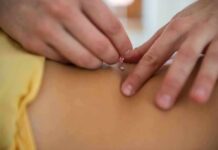
In South Korea, getting a face lift once a month is not a shocking outlier story. It is a real pressure some people describe living under, inside a beauty industry built to make constant tweaks feel normal.
Story Snapshot
- South Korea has the highest per capita cosmetic procedure rate in the world, with clinics offering monthly maintenance-style treatments.
- Researchers link the country’s intense appearance culture, called “lookism,” to job discrimination and mental health harm.
- Non-invasive options like Botox and fillers are booming as younger patients seek smaller, more frequent tweaks instead of one big surgery.
- Industry defenders say the market is consumer-driven, competitive, and increasingly seen as empowering rather than coercive.
A Culture Where Looks Carry Real Consequences
South Korea’s plastic surgery industry is not a niche luxury. It is one of the biggest cosmetic markets on earth, built on a system where appearance shapes hiring, dating, and status. A government-linked research paper from the Korean Women’s Development Institute found that judgment over female appearance is intensifying alongside the surgery industry’s growth, and warned this pressure can trigger severe depression and suicidal thoughts.
That warning is not abstract. A 2016 survey by job portal Saramin found that 93.4 percent of Korean companies required a photo on job applications, and more than two-thirds of applicants admitted to editing their photos before submitting them. When a résumé photo can decide whether someone gets an interview, cosmetic procedures stop feeling optional and start feeling like career maintenance.
The Numbers Behind The Obsession
South Korea performs roughly 13.5 cosmetic procedures per 1,000 people, the highest rate on the planet, according to the International Society of Aesthetic Plastic Surgery. The market itself has ballooned, with industry estimates placing South Korea’s cosmetic surgery revenue near 3.9 trillion won in 2021 and projections pushing toward 15 trillion won by 2023. Plastic surgery alone accounted for more than 114,000 surgeries in one recent count, making it the second most sought-after medical category in the country.
The trend is shifting, though, from big one-time surgeries toward smaller, repeatable touch-ups. A director at the Korean Association of Plastic Surgeons told Al Jazeera that procedures like Botox, fillers, and lifts are becoming more popular, while invasive eye and nose surgeries are declining. That shift matters, because it is exactly what makes a “face lift once a month” possible. Quick, low-cost, non-surgical treatments can be repeated far more easily than a scalpel-based procedure, turning beauty maintenance into a routine habit rather than a rare event.
Young People Feel The Squeeze Early
The pressure does not wait until adulthood. Surveys have found that roughly 22 percent of South Korean high school students say they have felt pushed by peers to consider plastic surgery. Double eyelid surgery has become such a common rite of passage that some families give it as a graduation gift, according to reporting on the country’s beauty culture. That normalization starts the cycle of appearance maintenance well before a person enters the job market where photos and looks carry real weight.
Not Everyone Calls It A Trap
Some voices push back on the idea that this is purely coercive. A BBC World Service discussion on K-beauty framed the industry as consumer-led, pointing to roughly 30,000 competing cosmetic brands driving affordability and innovation, including expanding shade ranges after customer feedback. Author Elise Hu’s work on the topic similarly argues that Korean beauty standards can both empower and constrain women at the same time, rather than functioning as a one-sided trap. A Korean medical article also found that many young adults view attractiveness as a legitimate career strategy, treating procedures as a calculated personal choice rather than a forced outcome.
Both realities can be true at once. A market can offer genuine choice and innovation while still operating inside a culture that punishes people, especially women, for not conforming to narrow beauty standards. Readers should be uneasy watching any society, even a thriving capitalist one, normalize surgical maintenance as a monthly errand. Free markets work best when choices stay free, not when social and workplace pressure quietly removes the “choice” from consumer choice.
South Korea’s beauty industry is a genuine economic success story, generating billions and exporting influence worldwide. But success and harm are not mutually exclusive. When teenagers feel forced into eyelid surgery and job seekers feel forced into photoshopping résumés, the market has stopped serving people and started shaping them, one procedure at a time.
Sources:
youtube.com, healthcareforesights.com, gitnux.org, thediplomat.com, eng.kwdi.re.kr, aljazeera.com, link.springer.com