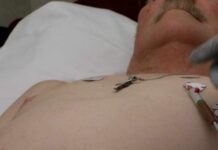
Another American has Ebola after serving patients in Congo, and U.S. health officials still say your personal risk is low.
Story Snapshot
- Centers for Disease Control and Prevention (CDC) rates U.S. risk from this outbreak as low.
- Bundibugyo Ebola is driving cases in the Democratic Republic of the Congo, with regional spread fears.
- U.S. entry screening, traveler monitoring, and hospital playbooks are in place.
- Aid and modeling show the outbreak could grow fast abroad without strong control.
CDC calls U.S. risk low while confirming safeguards
The Centers for Disease Control and Prevention said the current Bundibugyo Ebola outbreak in the Democratic Republic of the Congo poses a low risk to the U.S. population over the next three months. The agency based that call on the very low chance of transmission inside the United States, given how Ebola spreads and the tools now in place at ports of entry and hospitals. The patient in the headlines is a U.S. citizen infected while working in Congo, not from exposure inside America.
The United States government aligned support behind treatment and control overseas. The Department of State announced funding for dozens of treatment clinics and related support to help stop spread where it starts. That forward defense reduces global risk and the chance of importations to the United States. This is the same logic that worked in past Ebola scares: keep cases contained, protect health workers, and break transmission chains before they cross borders.
How Ebola spreads and why that matters here
Ebola moves through direct contact with blood or body fluids, not through air like a cold or the flu. People are not contagious before symptoms. Those facts give public health officials leverage to stop spread with fast isolation, protective gear, and contact tracing. Bundibugyo Ebola is deadly but behaves like other Ebola viruses in how it transmits. That biology, plus airport screening and health alerts, underpins the CDC’s low-risk view for people living in the United States.
Travelers who have been in affected areas face entry screening on arrival. They get guidance to check temperature daily and report symptoms for 21 days. Local health departments stand ready to follow up if needed. Hospitals have step-by-step plans to identify, isolate, and inform public health right away if a patient presents with symptoms and a travel link. These layers do not need perfection to work. They only need to be good enough to catch rare cases early.
What you should watch for and what not to fear
Watch for updates on traveler rules, especially if you plan trips to the region. The CDC may adjust post-arrival monitoring if the map of cases changes. That could mean more follow-up calls or targeted restrictions for recent travelers, based on exposure risk. If you do not have recent travel or close contact with a sick traveler, your risk remains very low. Routine life in the United States does not expose you to Ebola.
Support the people doing the hard work. The infected U.S. citizen caught Ebola while helping others. More clinics, lab capacity, and trained teams in the Democratic Republic of the Congo will save lives and shorten the outbreak. That aid is not charity alone; it is strategy. The faster the world breaks transmission there, the safer everyday life stays here. Low risk is not luck. It is policy, preparation, and sticking to the plan.
Sources:
foxnews.com, pubmed.ncbi.nlm.nih.gov, canada.ca, cdc.gov, publichealth.gmu.edu, statnews.com