The same nutrition pattern that supports a stable gut microbiome also underpins healthier hormone signaling, but specific “gut–hormone” supplement stacks are far less proven than the marketing often implies.
Key Points
- The gut and endocrine systems are tightly linked: gut microbes influence estrogen metabolism, insulin sensitivity, cortisol, and other hormones through well-described mechanisms.
- Foods that consistently support both gut function and hormone regulation center on fiber-rich plants, fermented foods, high‑quality protein, and anti‑inflammatory fats, rather than any single “miracle” item.
- Common supplements promoted for gut and hormone health—probiotics, omega‑3s, magnesium, vitamin D, and collagen—have evidence for specific outcomes, but not for broad, guaranteed “hormone balance.”
- The safest strategy is food‑first, using targeted supplements for clear indications, under professional guidance, especially in midlife or with conditions like PCOS, thyroid disease, or prior breast cancer.[4]
How Gut Health and Hormones Interact
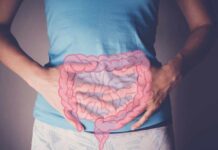
To understand which foods and supplements can plausibly help both gut health and hormone balance, you first need the mechanism. The gut is not just a tube for digestion; it is an endocrine and immune organ. Trillions of microbes metabolize nutrients, produce signaling molecules, and help process hormones, particularly estrogens. Research on the “estrobolome”—the subset of gut bacteria involved in estrogen metabolism—shows that bacterial enzymes such as beta‑glucuronidase can deconjugate estrogens in the intestine, effectively recycling them back into circulation rather than allowing excretion. This means that dysbiosis, or an imbalanced microbiome, can tilt estrogen exposure up or down, with implications for symptoms and disease risk.
Beyond sex hormones, the gut microbiome influences insulin and glucose metabolism, cortisol responses, and even thyroid function, largely through effects on inflammation, intestinal permeability, and short‑chain fatty acid (SCFA) production. Clinical microbiology reviews confirm bidirectional interaction: sex hormones shape microbial composition, and microbial metabolites feed back on hormone levels and receptor sensitivity. The practical consequence is straightforward: eating and lifestyle patterns that foster a diverse, stable microbiome tend to support more resilient hormonal signaling, even though they do not “fix” every hormonal condition on their own.
Food Foundations That Serve Both Gut and Hormones
Across conventional and functional sources, there is strong convergence on the core dietary pattern that best serves both gut integrity and hormone physiology. It looks much more like a Mediterranean or plant‑forward pattern than a supplement stack.
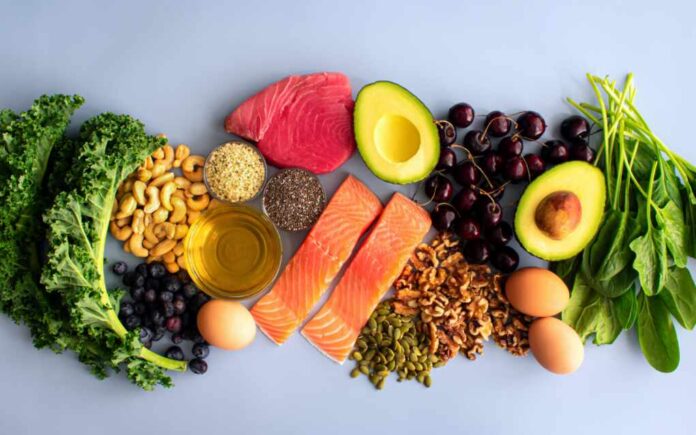
First, a high‑fiber, plant‑diverse diet is central. Aiming for 25–35 grams of fiber daily from vegetables, fruits, legumes, whole grains, nuts, and seeds feeds beneficial bacteria, increases microbial diversity, and boosts SCFA production. SCFAs support the gut barrier, modulate inflammation, and indirectly aid hepatic hormone clearance. In women, such patterns have been tied mechanistically to healthier estrogen metabolism, including more favorable excretion of estrogen metabolites.
Second, fermented foods supply living microbes that can colonize or at least transit the gut, contributing to diversity. Yogurt with live cultures, kefir, kimchi, sauerkraut, miso, tempeh, and traditionally fermented pickles all appear repeatedly in both practitioner and clinical guidance for gut and hormonal support.[1] These foods deliver Lactobacillus and Bifidobacterium species—genera frequently studied for vaginal health, urinary health, and estrogen‑related endpoints—within a food matrix that also provides protein, minerals, or phytonutrients.
Third, low‑glycemic, minimally processed carbohydrates help stabilize blood sugar and insulin. This is crucial in conditions like PCOS, where elevated insulin drives ovarian testosterone production; nutritionists working with PCOS emphasize fiber‑rich carbs (oats, quinoa, sweet potatoes) and regular, balanced meals to blunt glucose swings and downstream hormonal disruption.[6] For midlife women, reducing ultra‑processed foods and added sugars also reduces gut inflammation and dysbiosis, which in turn eases hormonal volatility around menopause.
Finally, anti‑inflammatory fats matter. Fatty fish (salmon, sardines, mackerel), walnuts, flaxseed, chia, and extra‑virgin olive oil provide omega‑3 and monounsaturated fats that decrease inflammatory signaling and support hormone synthesis.[4][1] These fats integrate into cell membranes, including those of hormone‑producing glands, and can dampen prostaglandin‑mediated pain and mood symptoms during cycles or perimenopause.
Supplements with Plausible Dual Benefits—and Their Limits
Pharmacists like Lisa King (“The Fulfilled Pharmacist”) and functional clinicians often recommend a familiar set of supplements for midlife gut and hormone support: probiotics, omega‑3s, magnesium, vitamin D (sometimes with K2), and collagen.[2][4] Each has a credible physiological role, but the evidence is specific, not sweeping.
Probiotics are the closest thing to a direct gut‑hormone bridge. Controlled trials in women with PCOS show that 12 weeks of probiotic supplementation can raise sex‑hormone binding globulin (SHBG) and favorably influence some metabolic and androgen‑related parameters, illustrating that altering the microbiome can move a measurable hormone marker. Broader reviews on the female microbiome, however, emphasize that while probiotics and diet are promising, the evidence base remains incomplete, with relatively few high‑quality studies focused on female‑specific outcomes. Strain selection, dose, and baseline microbiome matter, and there is no universal “hormone‑balancing probiotic.”
Omega‑3 fatty acids (EPA and DHA) are well documented for cardiovascular, brain, and anti‑inflammatory effects, and these pathways intersect hormone health. By dampening systemic inflammation and improving cell‑membrane fluidity, omega‑3s may ease menstrual pain and support mood in perimenopause, while also benefiting gut barrier function.[2][4] Still, mainstream endocrinology does not treat fish oil as a hormone therapy; it is an adjunct for specific cardiometabolic indications with potential hormonal side benefits.
Magnesium sits at the crossroads of gut and hormone physiology. It supports over 300 enzymatic reactions, including those involved in energy production, stress responses, and glucose handling. Clinicians commonly use magnesium glycinate at night for relaxation, constipation relief, and sleep quality—issues that worsen with estrogen decline and dysbiosis.[2][4]
Vitamin D—and, in some protocols, D paired with K2—is another pillar. Vitamin D receptors are present in ovarian, uterine, immune, and gut tissues; deficiency is common in midlife and associated with bone loss, mood changes, and altered glucose tolerance. Many clinicians support vitamin D repletion based on measured blood levels, sometimes combined with K2 to help direct calcium into bone rather than soft tissues.[4][7]
Collagen and collagen “activators” are widely promoted for skin, hair, joints, and pelvic floor integrity in estrogen‑declining years. A pharmacist may reasonably point out that collagen content in connective tissues drops with age and that supplemental collagen peptides can modestly improve skin elasticity and joint comfort in some trials.
Where the Evidence Is Strong, Preliminary, or Overstated
It helps to separate three layers of evidence that frequently get blurred in wellness marketing.
At the base is mechanistic evidence. There is robust documentation that gut microbes interact with estrogen, progesterone, and androgens via enzymes, metabolites, and gut‑brain‑axis signaling, and that dysbiosis correlates with conditions ranging from PCOS to endometriosis and menopausal metabolic shifts. No serious scientific voice denies this linkage.
The next layer is condition‑specific clinical data. Here, the picture is uneven but real. Probiotics improving SHBG in PCOS, dietary fiber and weight loss improving insulin resistance, and Mediterranean‑style diets helping menopausal cardiometabolic risk are examples where gut‑oriented nutrition moves specific hormonal or metabolic outcomes.[6] However, studies often involve broader lifestyle interventions, not isolated supplements, and sample sizes are modest.
Practical Guidance: Food First, Targeted Supplements, Guardrails
For an individual trying to support both gut health and hormones—especially a woman in her 40s, 50s, or with PCOS—the most evidence‑aligned strategy is layered.
First, build a food foundation: 30+ different plant foods per week; daily legumes or pulses; a rotation of whole grains; generous vegetables; and regular nuts and seeds. Add fermented foods most days, and keep ultra‑processed products and added sugars modest. This pattern alone shifts the microbiome and metabolic hormones in a favorable direction for many people.
Second, attend to lifestyle levers that profoundly affect both systems: regular physical activity, resistance training for muscle and bone, consistent sleep, and stress‑management practices that blunt cortisol spikes.[6] These often yield larger gains than any single supplement, particularly for insulin, cortisol, and sleep‑related hormones.
Third, consider supplements as targeted tools, not a replacement for that foundation. Probiotics may be reasonable if you have IBS‑like symptoms, recent antibiotics, or PCOS and cannot achieve enough fermented food intake—but strain selection should match your condition, ideally with professional input. Omega‑3s are sensible if you rarely consume fatty fish or have cardiometabolic risk. Magnesium can be helpful for constipation, sleep, or high stress, provided kidney function is normal and doses are appropriate. Vitamin D is best guided by blood levels. Collagen is an option if joint or skin health is a priority and you understand that its role is structural, not hormonal.
Fourth, manage expectations around menopause. If hot flashes, night sweats, or severe mood swings dominate your experience, current evidence still supports hormone therapy, non‑hormonal prescription options, and behavioral interventions ahead of supplements marketed as “balancing” menopause. Gut‑supportive nutrition and supplements can be part of a comprehensive plan, but they remain adjuncts, not stand‑alone treatments.
Finally, keep an eye on conflicts of interest. Many pharmacists and clinicians legitimately use affiliate platforms to simplify access to vetted brands, but storefronts and discount codes inherently create the perception of bias. When evaluating recommendations, distinguish between ingredient categories with some evidence (for example, “omega‑3 fish oil”) and specific branded formulas promoted without comparative data.
Sources:
[1] YouTube – What Foods and Supplements Help With Both Gut Health and Hormone …
[2] Web – Your pharmacist probably knows more about your supplements than …
[4] Web – Foods with benefits!! The pharmacist in me is SO excited to share …
[6] Web – Overcoming Bladder Issues With Lisa King – Naturally Joyous
[7] Web – Gut Health – Lisa King – Femologist