Doctors at Mount Sinai are building a digital copy of your body to catch disease before it catches you.
Quick Take
- Mount Sinai Hospital in New York City launched the DigiTwin Study, a research project using artificial intelligence to build digital models of patients’ health.
- The study plans to track about 1,000 participants for 24 months, gathering imaging, lab tests, wearable data, and lifestyle details.
- NBC’s Kate Snow reported on the project for TODAY, calling it a shift from treating sickness to predicting and preventing it.
- Outside research on health-care digital twins shows the field is still young, with most models not yet proven to work in real clinics.
A Hospital Builds Digital Copies Of Its Patients
Mount Sinai researchers are using cutting-edge artificial intelligence and real-time data to try something new. Instead of waiting for patients to get sick, they want to spot warning signs early. NBC correspondent Kate Snow described the goal plainly on TODAY: shift care “from treating sickness to predicting and preventing it.” The project is called the DigiTwin Study, and it is already underway at Mount Sinai’s BioMedical Engineering and Imaging Institute.
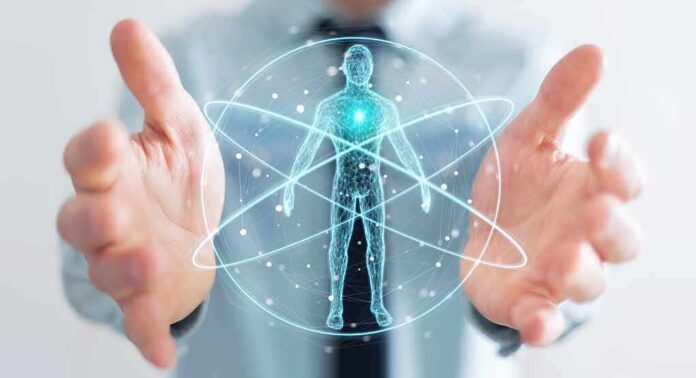
The idea behind a “digital twin” sounds like science fiction, but the concept is simple. Engineers combine a person’s imaging scans, blood work, wearable device readings, and daily habits into one detailed digital model. That model acts like a stand-in for the real patient. Doctors can then watch how small changes in sleep, diet, or activity might shake out over time, without waiting for symptoms to show up first.
What The Study Actually Involves
Mount Sinai says the DigiTwin Study is a long-term research effort tracking roughly 1,000 participants over two years. Researchers will pull together imaging results, laboratory tests, wearable device data, and lifestyle measures into one large health database. The goal is building a system detailed enough to flag problems before they turn into full-blown illness, giving doctors a head start on treatment decisions.
This work fits inside Mount Sinai’s broader Healthspan Program, led in part by researcher Dr. Zahi Fayad. That program is not just chasing a single disease. It is targeting the biological drivers of aging itself, aiming to delay conditions like cancer, diabetes, heart disease, and Alzheimer’s that define so much of later life for Americans. The hospital is also testing digital twin models for narrower problems, including a project improving care for obstructive sleep apnea through AI-powered prediction tools.
Why This Technology Is Still Finding Its Footing
Health-care digital twins are a hot research topic right now, but the broader scientific record shows the field has a long way to go. A review of AI models built to predict patient outcomes found that 86 percent had only been tested internally, meaning researchers checked the model against their own data and nothing else. Just 11 percent had been validated against outside data, and only 3 percent ever made it into actual clinical use.
That gap matters for readers hearing bold claims about AI predicting illness. Building a smart model is one step. Proving it works reliably across different hospitals, different patients, and different conditions is a much bigger one. Researchers studying the digital twin field broadly point to recurring sticking points: data quality, privacy protections, and whether these systems work fairly across different groups of people.
None of that undercuts what Mount Sinai is attempting. It explains why a study like this should be understood as an evidence-building platform first, not a finished product. The hospital itself is running NYC-Vita, a separate healthspan trial competing in the XPRIZE Healthspan competition, testing whether a drug, a supplement, and supervised exercise together can reverse age-related immune decline. These programs stack on top of each other, each generating data toward the same long-term goal.
What It Means For Patients Down The Road
For everyday Americans, the promise is straightforward even if the science is complex. A system that catches a heart problem or metabolic shift months before symptoms appear could save lives and money both. Hospitals nationwide are chasing similar projects, including a new digital twin platform for orthopedic surgery backed by a ten-million-dollar gift in New York.
Predictive medicine that catches disease early, done right, means less government-funded late-stage treatment and more personal responsibility over one’s own health data and choices. The test will be whether Mount Sinai’s results hold up outside its own walls, and whether patients keep control over how their most personal data gets used.
Sources:
youtube.com, mountsinai.org, bmeiisinai.org, digitwinhealth.com, today.com, reports.mountsinai.org, frontiersin.org, jmir.org