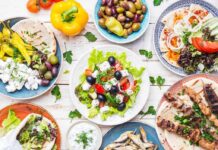
You can meaningfully nudge down your odds of heart disease and diabetes by eating more of certain plant foods—without turning your life into a science project.
Story Snapshot
- Plant compounds called phytosterols in nuts, seeds, vegetable oils, and other plant foods both lower “bad” LDL cholesterol and track with lower heart and diabetes risk in large population data.
- Controlled trials show phytosterol-enriched foods can cut LDL cholesterol by about 8–10%, but we still lack definitive trials proving fewer heart attacks or diabetes cases.
- Some older studies even link higher blood levels of plant sterols to more cardiovascular events, so context and dose matter.
- The safest, common-sense play: build a plant-strong, low-junk diet that raises natural phytosterol intake alongside fiber and healthy fats, instead of chasing “miracle” fortified products.
What this new phytosterol buzz is really saying
Researchers recently presented data suggesting people who eat the most phytosterols—plant sterols found in foods like nuts, seeds, and vegetable oils—have about 9% lower risk of heart disease and 8% lower risk of type 2 diabetes than those who eat the least.[1][2] These are not miracle-drug numbers, but when applied across millions of people, even a single-digit risk reduction matters. The study also linked higher phytosterol intake to more favorable markers of insulin function and inflammation, both central to cardiometabolic disease.[1][2]
The same analysis singled out beta-sitosterol, one specific plant sterol, and found similar risk reductions, while other sterols like campesterol and stigmasterol did not track as cleanly with outcomes.[1][2] That kind of nutrient “fingerprint” is exactly what excites nutrition scientists: it hints that something about this particular molecule may matter for how your body handles cholesterol and blood sugar. However, the results were observational, meaning people were simply followed based on what they reported eating—not randomly assigned diets.[1][2]
Where hard evidence ends: cholesterol vs. actual events
When you move from population snapshots to controlled experiments, the picture tightens up for cholesterol but gets fuzzy for real-world events like heart attacks. Multiple clinical trials show that adding about 2 grams per day of plant sterols to the diet—usually via fortified margarines or yogurts—can lower LDL cholesterol by roughly 8–10%.[3][4][5] That LDL reduction is large enough that major European guidelines explicitly list plant sterols as an optional add-on for people trying to improve their cholesterol through lifestyle.[4][5]
The mechanism is not speculative. Plant sterols compete with cholesterol for absorption in the gut, displacing cholesterol from mixed fat particles and promoting its excretion in stool.[3][4] Lower absorption means your liver pulls more LDL cholesterol out of your bloodstream to keep supply steady, which is why the lab numbers move.
The uncomfortable gaps: diabetes, heart attacks, and safety
Where the story gets less tidy is the leap from better LDL numbers to fewer heart attacks and diabetes cases. Extensive review articles consistently state that no large, placebo-controlled randomized trial has shown that adding plant sterols to real-world diets actually cuts heart attacks, strokes, or new-onset diabetes.[4][5] At least one major cohort study following people who got phytosterols only from everyday foods—not fortified products—did not find a clear reduction in coronary heart disease or total cardiovascular disease, even across a wide intake range.[3]
To complicate matters further, some older research links higher circulating plant sterol levels to increased cardiovascular risk in certain subgroups, while other studies are neutral or favorable.[4][5][6] That split literature lets both sides cherry-pick: marketers point to LDL reduction and positive associations, critics highlight the risk signals. A prudent, values-driven approach says: use what reliably helps (LDL lowering via diet) but do not oversell unproven benefits or dismiss legitimate safety questions out of hand.
What this means for your actual plate after 40
If you are over 40, the practical question is not “Should I worship at the altar of phytosterols?” but “What simple eating pattern gives me the most cardiometabolic protection with the least nonsense?” A heart-smart, diabetes-conscious diet already leans heavily on fruits, vegetables, whole grains, nuts, and healthy plant oils while dialing back processed foods, sugar, refined starches, and excess saturated fat.[2][3][4][7] Those same plant foods naturally carry phytosterols alongside fiber, magnesium, and other protective compounds.
That reality undercuts the idea that plant sterols themselves are a magic bullet, yet it also makes them an easy win: when you build the kind of diet every major heart and diabetes group recommends, you automatically raise your phytosterol intake without buying anything “fortified.”[2][3][4][7][8] Nuts instead of chips, olive or canola oil instead of butter, beans a few nights a week instead of processed meats—each swap nudges your LDL, insulin sensitivity, inflammation, weight, and, yes, phytosterol intake in the right direction.
How to use the science without getting played
For someone with clearly elevated LDL cholesterol who cannot tolerate or refuses medication, adding a modest amount of phytosterol-enriched foods on top of a solid plant-forward eating pattern can be a reasonable, evidence-backed experiment.[3][4][5] Conservative common sense says to treat these products like tools, not talismans: monitor your labs with your doctor, keep doses in the range used in trials, and avoid assuming that a sterol-fortified spread cancels out a fast-food lifestyle.
For everyone else, the highest-yield move is boring and powerful: consistently eat more unprocessed plant foods, especially nuts, seeds, vegetables, and whole grains, while cutting down ultra-processed, sugary, and fried fare that drives both heart disease and diabetes.[2][4][7][9] That pattern aligns with the best long-term evidence, respects biological reality, and keeps you out of the whiplash cycle of nutrition headlines. Phytosterols are one helpful piece of that bigger, sturdier puzzle.
Sources:
[1] Web – Phytosterols in plant-based foods linked to lower risk of heart …
[2] Web – Plant-rich diet may help lower diabetes and heart disease risk
[3] Web – Phytosterols | Linus Pauling Institute | Oregon State University
[4] Web – Phytosterols and Cardiovascular Disease – PMC – NIH
[5] Web – Commentary on Phytosterol-added Foods – EAS
[6] Web – Eating more phytosterols could lower your risk of heart disease and …
[7] Web – Effects of phytosterol-rich foods on lipid profile and inflammatory …
[8] Web – Phytosterols: What Are They, and Do They Have Downsides?
[9] Web – Phytosterols in the Treatment of Hypercholesterolemia and … – PMC