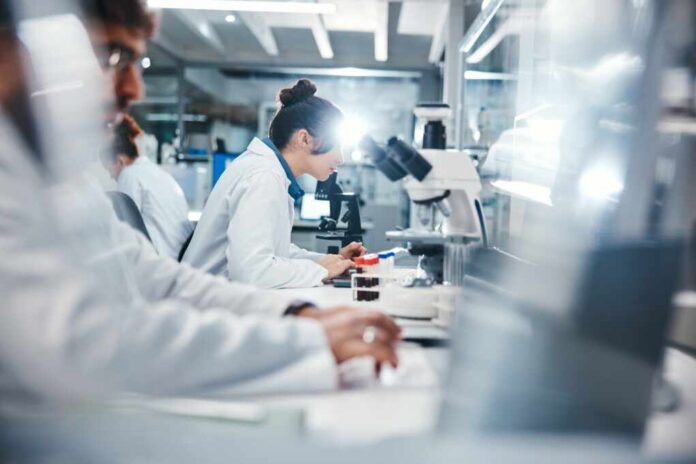
A groundbreaking clinical trial at Nova Southeastern University is doing what hundreds of other studies won’t dare claim: actively hunting for a cure to Long COVID instead of simply managing its devastating symptoms.
Story Snapshot
- Dr. Nancy Klimas leads one of the few clinical trials explicitly targeting a Long COVID cure, testing monoclonal antibody treatment on 100 patients over six months at Nova Southeastern University
- The trial focuses on clearing lingering spike protein from the body, funded by the Florida Department of Health and Schmidt Initiative for Long Covid
- Millions suffer from Long COVID’s debilitating effects including chronic fatigue, cognitive dysfunction, and organ damage with no FDA-approved treatments available
- More than 300 trials are underway nationally, yet most focus on symptom relief rather than root-cause elimination
- Recent breakthroughs reveal persistent viral fragments in tissues and chronic inflammation as key therapeutic targets, shifting research strategies
The Silent Pandemic Nobody Cured
Long COVID affects somewhere between five and thirty percent of people who contracted SARS-CoV-2, leaving millions trapped in a medical nightmare that drags on for months or years. Symptoms read like a medical textbook of misery: crushing fatigue, brain fog that obliterates concentration, breathing difficulties, and damage cascading through the brain, heart, and lungs. Despite this staggering human toll, not a single FDA-approved treatment exists. The medical establishment has largely settled for symptom management, handing out prescriptions that dull the pain without addressing what’s actually broken inside these patients’ bodies.
Why This Trial Breaks the Mold
Dr. Klimas’s approach at Nova Southeastern University’s Institute for Neuro-Immune Medicine stands apart from the crowd by targeting the cure rather than the comfort. The trial tests a repurposed monoclonal antibody originally approved for COVID prevention, administering it to 100 participants while meticulously tracking their symptoms, biological samples, and whether lingering spike protein finally clears from their systems. The hypothesis centers on a provocative idea: persistent viral fragments may be triggering the immune system to attack the body long after the acute infection resolves. Six months of intensive monitoring will reveal whether eliminating these molecular remnants can restore health.
The Science Behind Viral Persistence
Research teams at UCSF and Harvard have confirmed what many suspected but couldn’t prove: SARS-CoV-2 fragments hide in tissues throughout the body, including the gut, bone marrow, and brain. These viral remnants act like embedded shrapnel, generating chronic inflammation that researchers at Harvard’s Beth Israel Deaconess Medical Center identified as a prime therapeutic target in December 2025. Their study of 140 patients revealed persistent inflammatory pathways that differ from typical antiviral approaches. This discovery redirects the research community’s focus from killing active virus to calming the immune system’s overreaction to viral ghosts.
The Race for Solutions Accelerates
The research landscape exploded with over 300 trials registered in the United States alone, yet progress feels glacial to the millions suffering. The NIH’s RECOVER initiative collected 550 treatment proposals from researchers and patients, narrowing them to four candidates for formal trials. PolyBio Research Foundation launched its Long COVID Cure Initiative in fall 2025, pushing diagnostics and treatments from lab benches toward clinical adoption. Meanwhile, conventional options like metformin showed a 41 percent risk reduction in Phase 3 trials, though preventing Long COVID matters little to those already trapped in its grip.
Following the HIV Research Playbook
UCSF’s Long-term Impact of Infection with Novel Coronavirus cohort draws directly from decades of HIV research, amassing 1,700 participants and over 100,000 biological specimens. The parallel makes strategic sense: both conditions involve viral persistence, immune dysfunction, and the need for long-term patient monitoring to track disease progression. Dr. Timothy Henrich and his team apply lessons learned from managing a virus that hides in the body’s reservoirs, techniques that required years to develop for HIV but now accelerate Long COVID understanding. This institutional knowledge transfers valuable shortcuts, though critics note HIV research took decades to produce effective therapies.
The Economic and Human Cost Mounts
Lost productivity from Long COVID hemorrhages billions from the economy while families watch loved ones deteriorate. Healthcare systems strain under the weight of patients requiring ongoing monitoring, specialist consultations, and experimental treatments insurance often won’t cover. The disease strips people of careers, relationships, and the basic ability to function in daily life. Cheap repurposed drugs like metformin offer hope for prevention, but biotech solutions targeting cure mechanisms will likely carry premium price tags, raising uncomfortable questions about who gets access to breakthrough treatments if and when they arrive.
Millions of People Live With Long COVID. This Researcher Is on a Mission to Find a Cure.
Six years ago, Dr. Michael Peluso and his team launched a first-of-its-kind long COVID tissue bank and have been working to understand the disease ever since.https://t.co/weoK2pYop7
— Alba ࿐ (@AlbaDocherty) May 6, 2026
Dr. Klimas’s assertion that her study represents “one of the few that’s really going for the cure” carries weight precisely because it’s true. The medical research establishment’s preference for manageable symptom relief over risky cure attempts reflects institutional caution that serves researchers better than patients. Whether monoclonal antibodies targeting spike protein clearance will deliver remains unknown, but the willingness to frame the goal as cure rather than coping deserves recognition. Americans facing Long COVID need bold science, not incremental comfort measures that accept permanent disability as inevitable.
Sources:
Mechanisms of Long COVID and the Path Toward Therapeutics – PMC
Tackling the Silent Pandemic – Walter and Eliza Hall Institute
Long COVID Cure Initiative – PolyBio Research Foundation
Solving Long COVID: How Decades of HIV Research Paved the Way – UCSF
Break in the Case for Long COVID Investigators – Harvard Gazette
RECOVER: Researching COVID to Enhance Recovery