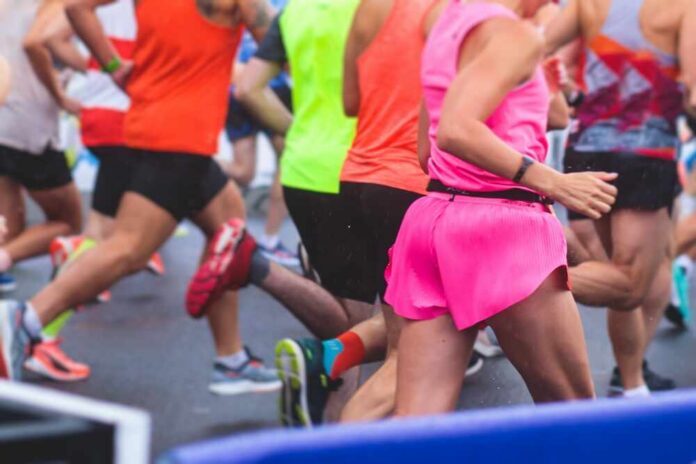
Running has exploded from a solitary pursuit into the world’s fastest-growing social movement, with participation surging 59% globally in a single year—but the real shock isn’t who’s running, it’s why they’re lacing up in the first place.
Story Snapshot
- Strava reports 59% global surge in run club participation during 2024, making running the platform’s number one activity
- Social connection, not fitness goals, drives the movement—84% of participants credit group running with combating loneliness
- U.S. running clubs increased 25% over five years, with 50 million Americans now running regularly
- New safety concerns emerge as rapid growth prompts launch of anonymous reporting systems and mandatory governance standards
The Loneliness Antidote Nobody Expected
COVID-19 lockdowns didn’t just isolate people—they created a psychological crater that traditional social structures couldn’t fill. When restrictions lifted, 73% of Gen Z reported feeling alone sometimes or always, according to Forbes data. Run clubs emerged as the unexpected solution. Unlike expensive boutique fitness studios or exclusive gym memberships, these gatherings required nothing but shoes and the willingness to show up. The barrier to entry collapsed, and millions walked through the door—or rather, jogged through it.
The timing proved perfect. Outdoor activities offered safety during pandemic uncertainty while addressing the acute hunger for human connection. Running USA documented a 25% surge in American clubs over five years, but the number tells only part of the story. These weren’t traditional training groups for competitive athletes. They were social gatherings that happened to involve running, attracting newcomers who had never considered themselves runners.
Technology Turned Local Meetups Into Viral Phenomena
Fitness tracking apps transformed running from invisible effort into shareable achievement. Strava logged 1.5 million users running in 2024 alone, creating digital ecosystems where scattered individuals became connected communities. The 2024 Strava-Nike partnership integrated these platforms further, expanding reach through branded challenges and seamless workout syncing. What happened on neighborhood streets now appeared on Instagram feeds and TikTok videos, democratizing visibility in unprecedented ways.
Small local groups suddenly attracted hundreds or thousands of followers. Google Trends data confirms sustained growth in “run club” searches since 2022 with no decline visible. Social media didn’t just amplify the movement—it fundamentally altered its structure. Clubs developed strong visual identities, organized themed runs, and created content that spread virally. The digital amplification loop fed itself: more visibility attracted more participants, generating more content, attracting still more runners.
When Corporations Discovered Community Currency
Nike, Adidas, and Lululemon recognized something traditional advertising couldn’t deliver—authentic community relationships. These corporations launched branded run clubs not as marketing gimmicks but as essential community infrastructure. The strategy worked because it aligned corporate resources with genuine social needs. Participants gained free organized events, branded gear, and professional coordination. Companies gained direct consumer relationships and community-embedded marketing that celebrity endorsements never achieved.
The arrangement created tension between grassroots authenticity and corporate influence. Bottom-up clubs retained community trust through organic leadership and local knowledge. Top-down branded clubs leveraged resources and reach but risked feeling manufactured. Both models coexist, serving different needs within the expanding ecosystem. Esmée Gummer, founder of London’s The Say Yes Club, captured the cultural shift: “I’ve been running for over 15 years, and it’s wild to see how much it’s grown. Back then people found it strange. Now, new run clubs are popping up everywhere.”
The Dark Side of Explosive Growth
Rapid scaling exposed vulnerabilities that grassroots organizing never anticipated. Three women in Berlin launched Whistle Runner in 2025, an anonymous reporting system addressing harmful experiences within running communities. The need for such infrastructure revealed uncomfortable truths about what happens when informal social gatherings evolve into cultural institutions without corresponding governance frameworks. England Athletics responded by introducing mandatory Club Standards for re-affiliating clubs, establishing baseline safeguarding requirements.
A UK running coach identified the core problem: “Run clubs are no longer social gatherings, they have become cultural hubs, marketing platforms, training groups, businesses and identity spaces all at once.” The roles multiplied faster than the infrastructure to support them. Belonging proved far easier to market than the governance and safeguarding work required to protect participants. Clubs that started as casual weekend meetups now functioned as businesses, date-finding platforms, networking hubs, and identity spaces—often without leaders prepared for these responsibilities.
Why This Movement Won’t Fade
Every indicator suggests permanence rather than trend. Week-to-week retention rates remain strong, driven equally by exercise benefits and social connection. The movement addresses fundamental human needs that outlast fitness fads—community, accessibility, and belonging. Running requires minimal equipment, occurs in public spaces, and scales infinitely without losing its core value proposition. Unlike boutique studios dependent on exclusivity, run clubs gain strength through growth.
The post-pandemic social deficit hasn’t disappeared. Gen Z still reports chronic loneliness, and run clubs still offer one of the most accessible solutions. The movement has transcended its origins to become structural rather than situational. Cities now plan around running infrastructure, brands build entire marketing strategies around club partnerships, and millions incorporate group runs into weekly routines. The phenomenon represents a fundamental reorientation of fitness culture from individual achievement to collective belonging—a shift with staying power precisely because it serves needs beyond physical fitness.
Sources:
WellnessLiving – Running Club Boom
Arrow & Vane – Run Club Analysis
Service95 – New Wave of Women Rediscovering Movement
RunVerity – The Run Club Is Booming But What Comes Next