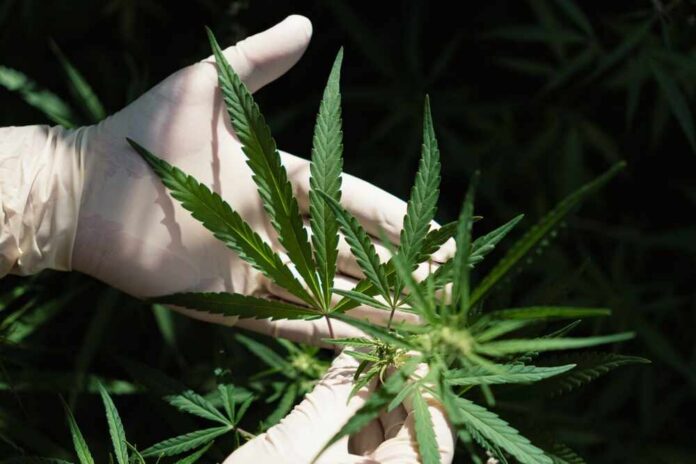
The cannabis your kids tried in college is not the same drug your cardiologist is quietly worrying about now that you are past 65.
Story Snapshot
- Regular cannabis after 65 is linked to higher risks of heart attack, stroke, and possibly some cancers, especially with today’s high-potency products.
- Age-slowed metabolism means stronger, longer highs, more falls, and more dangerous interactions with common senior medications.
- Memory and thinking problems, including dementia progression, can worsen with ongoing use in older adults.
- A meaningful minority of older users meet criteria for cannabis use disorder, despite believing the drug is “natural” and safe.
Why cannabis hits differently after 65
Stanford Medicine experts warn that cannabis becomes a different kind of gamble once you cross 65, largely because your body no longer handles drugs like it did at 30 or even 50.[2] Aging slows liver and kidney function, lowers muscle mass, and changes how the brain responds to psychoactive substances, so tetrahydrocannabinol lingers longer and hits harder.[3][8] Health Canada bluntly notes that adults over 55 are more sensitive to cannabis and more prone to side effects, especially with heart, liver, or kidney disease.[3]
Older adults also tend to take multiple prescription drugs, from blood thinners to blood pressure pills and sleep aids. Stanford’s review points out that cannabidiol can interfere with enzymes that break down medications such as blood thinners, raising the risk of dangerous bleeding or other complications.[2] Ottawa Public Health similarly cautions that reduced kidney and liver function and slower digestion in older adults make interactions and prolonged intoxication more likely.[8] This combination—slower clearance and more medications—moves cannabis from “casual experiment” into “drug regimen wildcard.”[3][8]
The quiet cardiovascular and fall risks few seniors see coming
Stanford cardiology researchers report that regular cannabis use is associated with a 29 percent increase in heart attacks and a 20 percent increase in strokes.[1][2] Smoking or vaping cannabis can raise heart rate and blood pressure in the short term, while also destabilizing blood pressure control overall.[6][8] For someone already living with heart disease or narrowed blood vessels, that extra push can be the difference between “uneventful evening” and “trip to the emergency department”.
Those same effects translate directly into falls, one of the most underappreciated catastrophes of aging. Ottawa Public Health notes that cannabis can lower blood pressure enough to cause fainting, while also slowing reaction time and distorting perception.[8] Stanford clinicians add confusion and dizziness to the list, both of which drive fall risk.[2] A broken hip or head injury often means loss of independence, so from a safety-first perspective, voluntarily adding a fall accelerator at 70 looks like a poor trade for modest symptom relief.[1][2][8]
Memory, thinking, and the dementia intersection
Stanford experts flag cognitive problems as a central concern for older cannabis users, warning that the drug can worsen memory issues and accelerate age-related cognitive decline.[1][2] Ottawa Public Health describes how regular tetrahydrocannabinol use can impair memory, concentration, and decision-making, and notes that these effects accumulate with frequent use.[8] Emerging analyses highlighted by advocacy groups and researchers raise the possibility that cannabis use may be a risk factor for dementia and related conditions, although the data are still evolving.[7][8]
Older adults already walk a narrow cognitive line: mild memory problems, multi-drug regimens, and sometimes early dementia. From the standpoint of protecting autonomy and clear thinking—values most practical adults share—adding a substance known to cloud judgment and slow reaction times is a serious decision, not a wellness trend. Clinicians quoted in these reports repeatedly urge candid conversations before someone with cognitive vulnerabilities adds cannabis to the mix.[1][2][8]
Dependence, high potency products, and the “natural” myth
One of the most uncomfortable findings for the “it is just a plant” crowd is how often older users slide into cannabis use disorder. A study of older veterans published in JAMA Network Open found that more than one-third of those who had used cannabis in the previous 30 days met criteria for some level of cannabis use disorder.[5] Frequent and inhaled use were especially tied to higher odds of problems, mirroring what has been seen in younger populations but now in bodies with less resilience.[5]
Stanford and other experts emphasize that legal cannabis today is far more potent than the marijuana many people remember from the 1970s.[1][2] Higher tetrahydrocannabinol levels mean a much smaller dose can trigger paranoia, panic, or loss of consciousness, especially when eaten in gummies that take up to two hours to fully kick in.[2][6][8] People who double-dose while “waiting for it to work” risk an overdose-level high that sends them to the emergency department with anxiety, psychosis, or serious injuries from impaired behavior.[6][8]
Where cannabis might fit—and why the bar should be high
None of this means cannabis has zero place after 65. Harvard-affiliated physicians and several public-health agencies acknowledge that carefully chosen products, at low doses, may help with some chemotherapy-related nausea, chronic nerve pain, or palliative symptoms when standard treatments fail.[3][5][7] AARP and other surveys report that many older adults already use cannabis for pain, sleep, and mood, which is a reality clinicians cannot ignore.[4][6][9] The key question is whether that real-world use is wisely targeted or wishful self-experimentation.[4][7][9]
The burden of proof lies on showing that cannabis improves a specific problem more than safer, better-studied options, without meaningfully increasing heart, brain, or fall risks. Current evidence does not clear that bar for broad, routine use in seniors. Stanford and national guidelines converge on a sober bottom line: if you are over 65 and considering cannabis, treat it like any other serious drug—start low, go slow, and never skip the conversation with a clinician who knows your heart, brain, and medication list.[1][2][3][8]
Sources:
[1] Web – Is cannabis safe after 65? Stanford experts reveal 5 risks older …
[2] Web – Health effects of cannabis on adults over 55 – Canada.ca
[3] Web – [PDF] A Guide to Cannabis for Older Adults
[4] Web – Relief or risk? Using cannabis as we age – Harvard Health
[5] Web – Cannabis Use Among Older Adults | Geriatrics | JAMA Network Open
[6] Web – Cannabis Information for Older Adults – Ottawa Public Health
[7] Web – Many Older Adults Use Cannabis for Health Reasons – AARP
[8] Web – The impact of cannabis use on ageing and longevity – PMC – NIH
[9] Web – Marijuana Use in Older Adults May Be an Overlooked Risk Factor for …