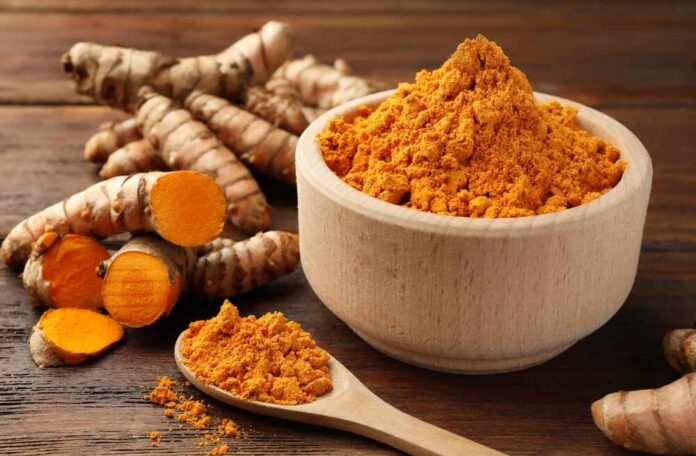
Turmeric isn’t magic, but it may be the rare kitchen staple that can nudge both inflammation and the gut ecosystem in the right direction—if you use it the right way.
Quick Take
- Turmeric’s headline compound, curcumin, shows measurable anti-inflammatory signaling effects in research, but real-world results vary.
- Gut health claims hinge on microbiome changes that appear “personalized,” with clear responders and non-responders in early human work.
- Culinary turmeric aims at steady, preventive support, not dramatic symptom reversal like people expect from supplements.
- Bioavailability is the make-or-break detail; pairing turmeric with black pepper and fat is practical common sense.
The wellness hook sounds simple; the science behind it is not
“Cook with this spice for less inflammation and a happier gut” became a familiar wellness refrain because turmeric sits at the intersection of tradition and lab science. The traditional part is easy: turmeric has a long history in Asian cuisines and healing systems. The scientific part is messier: curcumin interacts with inflammatory pathways and may influence gut barrier function and microbes, but dose, formulation, and individual biology decide the outcome.
The conservative, common-sense read is to treat turmeric like food first, not a miracle drug. People get into trouble when marketing turns “promising” into “proven,” especially in the supplement aisle. Cooking with turmeric is different: it’s low-cost, low-risk for most adults, and it encourages home-prepared meals over processed convenience foods—a trade that usually helps inflammation and digestion regardless of any single spice.
What curcumin seems to do in the body, in plain English
Inflammation isn’t automatically bad; it’s how the immune system responds to threats. The problem is chronic, simmering inflammation that never fully shuts off. Research summarized in your sources describes curcumin’s ability to dampen certain pro-inflammatory signals. That fits the broader pattern seen with many plant compounds: they don’t “turn off” immunity; they may help reduce overreaction. The useful takeaway is targeted moderation, not a total reset.
Gut health adds another layer because the gut isn’t only a tube—it’s a barrier, an immune organ, and a habitat. Curcumin may support barrier integrity and influence immune balance in the intestinal environment. That matters to people who track digestive comfort closely, especially those managing inflammatory bowel disease. Still, the leap from “mechanism” to “guaranteed benefit” is where wellness culture overreaches and where adults should insist on evidence.
The microbiome plot twist: turmeric doesn’t affect everyone the same
The most intriguing research thread is personalization. Human studies referenced in your research describe “responders” and “non-responders,” where some people show notable microbiome shifts after turmeric or curcumin while others show little change. That reality punctures the one-size-fits-all sales pitch. It also explains why your neighbor swears turmeric “changed everything,” while you try it for a month and feel nothing but yellow-stained cutting boards.
That responder pattern also suggests a smarter way to think about turmeric: as an experiment, not a belief system. Add it consistently, watch what happens, and keep the rest of the diet grounded in basics. When wellness advice aligns with self-reliance, affordability, and personal responsibility, it resonates with conservative values. When it demands blind faith in buzzwords, it becomes a money pit.
IBD and the fine print: remission support is not flare control
Claims get more serious when they touch inflammatory bowel disease. Your sources point to clinical work where curcumin helped support remission in ulcerative colitis at gram-level dosing. That’s meaningful, and it’s exactly why people should read carefully: remission maintenance and flare treatment are not the same job. A spice in dinner can be part of a supportive routine, but it should not replace medical guidance when symptoms worsen.
Another honest limit: culinary turmeric rarely reaches the same standardized dosing used in trials. Food-based use leans preventive and incremental. That is not a weakness; it’s the nature of nutrition. The American habit of demanding an immediate, dramatic payoff from one “superfood” is how you end up disappointed—or worse, ignoring the foundational moves that matter more, like protein adequacy, fiber intake, and reducing ultra-processed foods.
Bioavailability: why black pepper keeps showing up in every serious discussion
Curcumin has a practical problem: the body doesn’t absorb it efficiently. Your sources highlight this as a major constraint and explain why piperine from black pepper gets paired with turmeric so often. In the kitchen, the workaround is simple and realistic: combine turmeric with black pepper and a fat source like olive oil, yogurt, eggs, or coconut milk. That approach respects the science without turning dinner into a laboratory.
People over 40 tend to care less about trendy “hacks” and more about what they’ll actually keep doing. Turmeric fits best when it disappears into routine: scrambled eggs, chili, roasted vegetables, soups, marinades, and rice dishes. The goal is consistency, not hero doses. If you pursue supplements, you’re entering a marketplace where quality varies and claims often sprint ahead of proof.
A grounded way to use turmeric without falling for hype
Start with food. Use turmeric several times a week, pair it with black pepper and fat, and notice any changes in digestion, joint stiffness, or general comfort over six to eight weeks. If you take blood thinners, manage gallbladder issues, or have complex medical conditions, treat “natural” with the respect you’d give any biologically active substance and ask your clinician. Prudence beats regret every time.
Turmeric’s biggest value may be cultural, not just chemical: it nudges people back into cooking, which usually reduces reliance on packaged foods engineered for shelf life instead of health. That’s a realistic win. The evidence supports cautious optimism—especially for inflammation-related pathways and some gut contexts—while also demanding humility about individual variability. A spice can help, but it won’t outsource discipline, diet quality, or wise medical decision-making.
Sources:
https://rsdjournal.org/rsd/article/view/48985
https://cdhf.ca/en/turmeric-and-ginger-5-benefits-for-gut-health/
https://pmc.ncbi.nlm.nih.gov/articles/PMC6083746/
https://www.goodrx.com/well-being/diet-nutrition/turmeric-benefits
https://pmc.ncbi.nlm.nih.gov/articles/PMC10577457/
https://www.unitypoint.org/news-and-articles/using-turmeric-as-anti-inflammatory
https://health.clevelandclinic.org/turmeric-health-benefits
https://www.frontiersin.org/journals/immunology/articles/10.3389/fimmu.2025.1603018/full