A reviewer slept through a full month of 7 a.m. construction noise after swapping in a pair of sleep earbuds built to drown out exactly that kind of racket.
Quick Take
- A MindBodyGreen reviewer used Ozlo Sleepbuds 2 for a month and reported sleeping through disruptive construction noise without discomfort.
- Ozlo’s official design combines a silicone ear seal with “adaptive noise-masking audio” that switches on once the wearer falls asleep.
- Forbes and Sleep Foundation reviewers separately reported the earbuds masked city traffic and a snoring spouse.
- The earbuds skip active noise cancellation entirely, relying on passive sealing plus masking sound instead.
- No controlled sleep study has measured whether the product actually adds minutes of sleep, only that users perceive quieter nights.
What The Month-Long Test Actually Showed
The MindBodyGreen review, published October 19, 2026, describes a full month of nightly use. The reviewer reports the earbuds stayed comfortable through side sleeping, never forcing a mid-night removal. The standout claim is simple: after weeks of waking to 7 a.m. construction noise, the reviewer finally slept through it. That is a direct, first-person account, not a lab result.
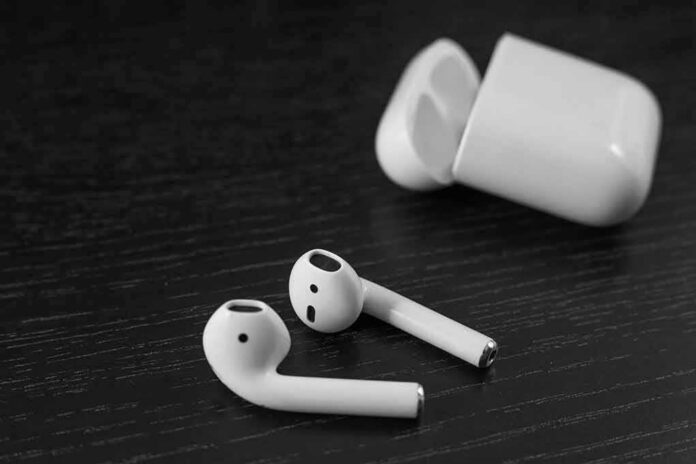
Ozlo built the Sleepbuds 2 around a specific idea. The earbuds use a silicone tip to physically seal the ear canal, then layer masking audio on top of whatever gets through. The company calls this “adaptive noise-masking audio,” and says the device automatically switches from streaming content to masking sound once it detects the user has fallen asleep.
Why Masking Beats Blocking For Construction Noise
This is not active noise cancellation, the technology found in many premium headphones that uses microphones and sound waves to cancel outside noise electronically. Ozlo skips that system entirely. CNN Underscored’s review confirms the buds lack active cancellation, instead relying on the physical seal plus the masking sound to cover disruptive noise. For a steady, repetitive sound like construction equipment, masking audio can be an effective cover.
Other reviewers back up the pattern seen in the month-long test. A Forbes reviewer reported the earbuds masked busy New York City street noise and a husband’s snoring once nature sounds started streaming. Sleep Foundation’s review similarly describes the Sleepbuds 2 as excelling specifically at masking disruptive sleep noise, not eliminating it outright.
Battery Life Has To Last The Whole Night
A masking earbud only works if it keeps running until morning. Ozlo’s own specifications list up to 14 hours of battery life when streaming audio and Sleep Sounds at 50% volume. The company is upfront that the real-world number shifts based on volume, content type, Bluetooth use, which features are turned on, and how old or recently charged the battery is. A dead earbud at 4 a.m. defeats the entire point.
What The Data Can And Cannot Prove
The month-long test is a genuine, documented experience. It is also, by nature, a single person’s account rather than a measured comparison. Nothing in the available reporting shows a sleep lab or tracking device confirming the reviewer slept more minutes or woke up fewer times because of the earbuds. The claim is about perceived quiet, not a scored sleep study.
That distinction matters more than it sounds. ZDNET’s review of the Sleepbuds 2 found the device’s own built-in sleep-tracking data was inconsistent when checked against an Oura Ring, a widely used sleep tracker. Broader research on consumer sleep trackers backs up that caution, showing wrist and earbud-based trackers routinely diverge from lab-grade polysomnography when measuring total sleep time. None of that undercuts the reviewer’s lived experience of a quieter month. It simply means the “slept through it” claim rests on how the night felt, not on a printed sleep score.
Where The Product Has Clear Limits
Price and setting both narrow who benefits most. The Sleepbuds 2 sit in a premium price bracket, and coverage from outlets like Mashable frames them as a specialized sleep tool rather than an everyday earbud. CNN’s review also notes the lack of active cancellation could leave the buds overmatched in extreme noise, such as a plane cabin with a crying child. For a bedroom dealing with scheduled construction noise, though, the month-long account suggests the masking approach did its job.
Sources:
mindbodygreen.com, ozlosleep.com, forbes.com, sleepfoundation.org, cnn.com, zdnet.com, mashable.com