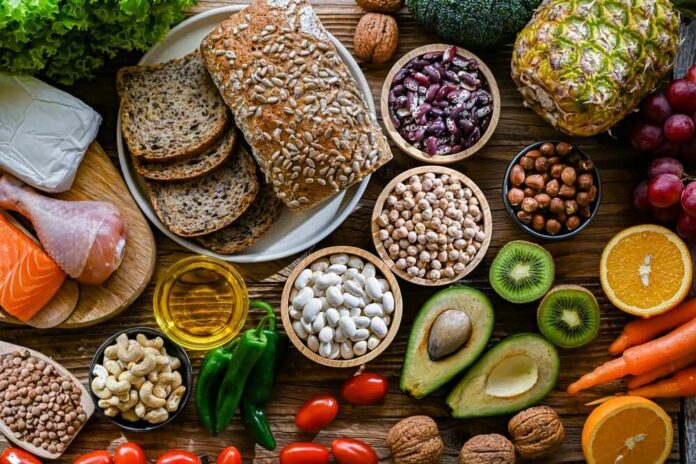
A humble fruit sitting in your grocery store’s produce section may hold the power to prevent the plaque buildup choking your arteries and claiming one in four lives worldwide.
Story Snapshot
- Berries—particularly blueberries, strawberries, and blackberries—top the list of fruits proven to reduce arterial plaque through polyphenols and antioxidants that combat LDL cholesterol oxidation and inflammation
- Florida State University researchers received over $805,000 to study how blackberry polyphenols specifically fight plaque buildup and vascular aging, signaling serious scientific interest beyond diet fads
- Evidence remains strongest for prevention rather than reversal, with observational and animal studies showing 10-20% reductions in cardiovascular disease risk, though human clinical trials lag behind
- Beyond berries, citrus fruits like grapefruit and apples demonstrate measurable effects on cholesterol and arterial health, creating affordable dietary options for heart protection
The Berry Brigade Takes Center Stage
Atherosclerosis—the silent arterial assassin responsible for heart attacks and strokes—meets its match in the produce aisle. Berries distinguish themselves from every other fruit through their exceptional concentration of anthocyanins, quercetin, and other polyphenolic compounds that directly attack the mechanisms driving plaque formation. These molecules prevent LDL cholesterol from oxidizing, the critical first step in arterial damage. They reduce inflammation systemically, lower blood pressure, improve how blood vessel linings function, and even help regulate blood sugar. This comprehensive assault on cardiovascular risk factors explains why research consistently elevates berries above apples, citrus, and even the much-hyped pomegranate.
The science supporting berries stretches back decades, but gained momentum through Mediterranean diet research in the early 2000s. Scientists observed populations consuming polyphenol-rich foods experienced dramatically lower heart disease rates, prompting deeper investigation into specific fruits. Animal models in the 2010s provided the first direct evidence—mice fed berry extracts developed measurably less arterial plaque than control groups. These findings weren’t theoretical exercises. They demonstrated tangible biological mechanisms at work, showing how natural compounds could interrupt the disease process that kills more Americans than any other cause.
When Academic Research Gets Serious Funding
Gloria Salazar didn’t receive over $805,000 from the Florida Department of Health in 2019 for speculative wellness trends. The Florida State University associate professor earned that grant to investigate blackberry polyphenols’ specific effects on plaque buildup and vascular aging, particularly among smokers facing accelerated arterial damage. This level of public health investment signals that berry research has graduated from interesting observation to rigorous scientific priority. Salazar’s work targets the molecular pathways through which blackberries might slow or prevent the vascular deterioration that precedes heart attacks and strokes, examining antioxidant activity that protects artery walls from oxidative stress.
The grant reflects a broader shift toward preventive nutrition as healthcare costs from cardiovascular disease strain budgets nationwide. Traditional pharmaceutical interventions—statins, blood pressure medications, antiplatelet drugs—work but come with side effects and lifelong expense. Dietary strategies using readily available fruits offer complementary approaches that empower individuals to take control before disease progresses. Salazar’s research doesn’t suggest berries replace medical treatment for existing conditions, but rather that incorporating them earlier could reduce how many people reach the point of needing aggressive intervention.
Beyond Berries: The Supporting Cast
Citrus fruits deserve recognition for their own arterial benefits, though they work through slightly different mechanisms. Grapefruit contains flavonoids that block oxidized LDL from damaging artery walls, with human studies showing one grapefruit daily reduced cholesterol levels in post-surgical patients. Oranges and lemons provide similar compounds plus vitamin C, which supports endothelial function and collagen formation in blood vessel walls. These fruits won’t outperform berries in head-to-head comparisons of polyphenol content, but they offer variety for people building heart-healthy eating patterns. Apples contribute both fiber and compounds in their peels that reduced plaque in mouse studies, though human evidence remains limited.
Pomegranates and grapes round out the fruit roster with unique contributions. Vascular surgeon Dr. Sumit Kapadia highlights pomegranate’s ability to boost nitric oxide production, which dilates arteries and improves blood flow while stabilizing existing plaque. Grapes contain resveratrol, the compound famously associated with red wine’s cardiovascular benefits, though you’d need to eat pounds of grapes to match a glass of wine. The practical takeaway: variety matters. No single fruit delivers every protective compound, so rotating between berries, citrus, apples, and pomegranates maximizes the spectrum of beneficial molecules reaching your arteries. This aligns with the foundational principle of nutrition science—whole food diversity beats isolated supplements.
What The Evidence Actually Shows
Headlines promising to “unclog arteries” or “clean arteries naturally” oversell what the research demonstrates. The strongest evidence supports risk reduction and prevention, not reversal of established disease. Observational studies tracking thousands of people over years show those consuming more fruits—especially berries—experience 10-20% lower rates of cardiovascular events compared to low-fruit eaters. Animal models prove polyphenols can reduce plaque formation when introduced early, but extrapolating mice data to humans requires caution. The few human clinical trials available show improvements in cholesterol markers, blood pressure, and inflammation levels within weeks of increased berry consumption, but don’t demonstrate plaque disappearing from coronary arteries.
This evidence gap doesn’t invalidate the findings—it reflects the challenge of conducting long-term human studies on dietary interventions. Tracking artery health requires expensive imaging over years or decades, while controlling what people eat outside laboratory settings proves nearly impossible. The existing data creates a compelling case for incorporating berries and other beneficial fruits as preventive strategy, particularly for those with family history of heart disease or other risk factors. But anyone with diagnosed atherosclerosis needs medical management, not fruit-based wishful thinking.
Sources:
15 foods that may help prevent clogged arteries – Healthline
Heart-healthy foods – Heartbeats
Foods for healthy arteries – Imaware Health
Promising Nutritional Fruits Against Cardiovascular Diseases – PMC
Foods that naturally clean your arteries – Jaslok Hospital
Heart-healthy eating – Hartford Hospital