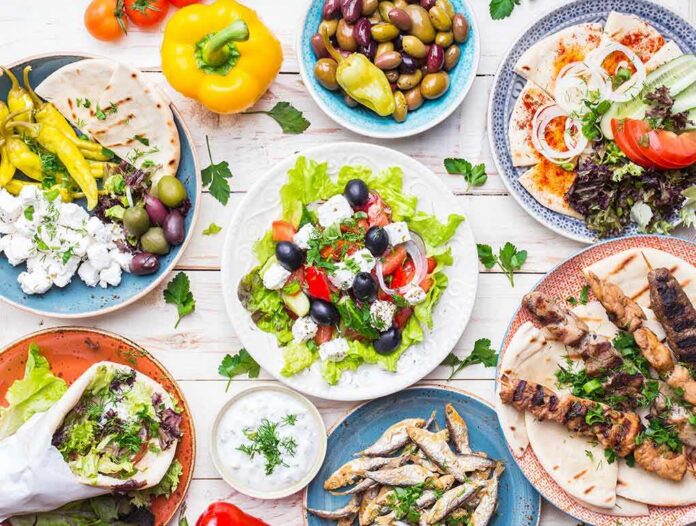
The birthplace of the Mediterranean diet is quietly walking away from it, while countries far from the Mediterranean Sea are adopting it as their own.
Story Snapshot
- Adherence to the Mediterranean diet is falling in Greece, Italy, and Spain, the very countries that made it famous.
- Researchers blame Western-style eating, more red meat, sugary drinks, and processed food, for the shift.
- Meanwhile, parts of Northern Europe and other non-Mediterranean nations are moving toward this same eating pattern.
- Experts call it a “nutrition transition,” driven by urban living, food marketing, and busier family schedules.
A Diet Famous Worldwide Loses Ground At Home
The Mediterranean diet built its reputation on simple foods: olive oil, vegetables, fish, and whole grains, with little red meat or sugar. Yet a 2024 review found that people in Greece and Italy are eating less like their grandparents did. The pattern is shifting toward more red meat, sugary drinks, desserts, and fewer plant-based meals. That is a strange twist for a diet doctors still recommend worldwide.
This is not a small, isolated blip. A separate 2024 report says the traditional habits behind this eating style are now “endangered in all countries of the Mediterranean region.” Researchers point to new lifestyles tied to economic change as the main threat, not just personal taste. When the people closest to the tradition step away from it, that says something about how modern life reshapes even deeply rooted habits.
The Food and Agriculture Organization Flags A Paradox
The Food and Agriculture Organization studied this exact puzzle and called it paradoxical. Just as the Mediterranean diet gains fans around the globe, the people who live in the Mediterranean region keep moving further from it. A United Nations economist described it plainly back in 2008: Mediterranean people are shunning their own healthy diet even as waistlines expand across the region. That warning is now well over a decade old, and the trend has not reversed.
A 2023 review backs this up with hard numbers. Researchers pooled 57 studies covering more than one million healthy adults and found a real, measurable decline in adherence over the past decade. This is not one study with a small sample. It is a pattern researchers keep finding again and again, across different countries and different research teams, using different methods.
Why Southern Europe Is Trading Olive Oil For Convenience
The reasons behind the shift are not mysterious. Urbanization, globalized food markets, tighter budgets, and changing family routines all play a role. Younger generations in Italy, for example, show a notable drop in eating the Mediterranean way, largely because they use less olive oil than older relatives did. When both parents work longer hours and cooking from scratch takes a back seat, packaged and processed food fills the gap. That trade-off happens in kitchens everywhere, not just around the Mediterranean Sea.
Income matters too. One study found that people with higher incomes spent more on traditional Mediterranean foods, while those with tighter budgets leaned toward cheaper, Western-style meals. That is a familiar story for American readers. Healthy eating often costs more money and more time, and family budgets do not always stretch that far.
Northern Europe Moves The Opposite Direction
Here is the twist that makes this story worth watching. While Mediterranean countries drift away from their own diet, some Northern European nations are drifting toward it. A large worldwide analysis found that only eight countries increased their adherence to the Mediterranean pattern between the 1960s and early 2000s, and every one of them was outside the Mediterranean region, four from Northern Europe alone.
Another study covering decades of data confirms this east-to-west, north-to-south split. Mediterranean countries that once scored highest on diet quality in the 1960s saw the steepest declines in later decades. Meanwhile, Northern European countries and a handful of others around the world have been embracing the very pattern their southern neighbors are leaving behind. It is a genuine role reversal, and it raises a fair question about whether marketing and convenience food are simply more powerful than geography or tradition.
What This Means For Everyday Families
None of this is really about geography. It is about what happens when convenience, marketing, and cost pressure push against tradition, no matter where you live. The Mediterranean diet did not fail as science. Doctors and researchers still back it for heart health and long life. What changed is daily habits, driven by busier schedules and cheaper processed alternatives edging out home-cooked meals.
For American readers who value personal responsibility and family tradition, this story lands close to home. Good habits erode quietly, one convenient shortcut at a time, unless families make a deliberate choice to protect them. The lesson from Greece and Italy is not that healthy eating fails. It is that healthy eating requires effort, and effort is the first thing modern life tries to cut.
The data leaves little room for argument: the diet is fading where it began and rising where it did not. What families do with that information, at their own dinner tables, is the part still very much up for grabs.
Sources:
mindbodygreen.com, pmc.ncbi.nlm.nih.gov, iemed.org, nature.com, tandfonline.com, academic.oup.com, newswise.com, pubmed.ncbi.nlm.nih.gov, medicalxpress.com, medlineplus.gov