Millions of people are deciding they have ADHD or autism after watching a fifteen-second video, and the numbers on how often those videos get it wrong should worry anyone who cares about accurate mental health care.
Story Snapshot
- Researchers found 52% of sampled ADHD videos and 41% of autism videos on TikTok contained inaccurate information, yet young viewers still used them to self-identify with the conditions.
- People who self-diagnose report higher rates of negative self-image and internalized stigma than those who receive a formal clinical diagnosis.
- One university study found self-diagnosed individuals scored lower on standard ADHD screening tools than people with verified diagnoses.
- Mental health professionals and podcast panels agree social media can spark self-recognition, but they consistently urge follow-up with a licensed clinician.
An Algorithm Became a Waiting Room for Millions
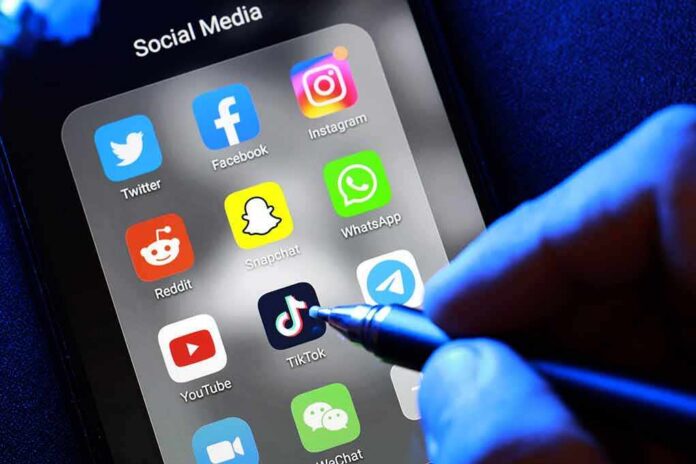
Social media platforms did not set out to become diagnostic tools, but that is exactly what they became for a generation raised on the For You Page. TikTok’s algorithm pushes personalized clips into feeds, and mental health content spread fast enough to reshape how people talk about ADHD and autism. Hashtags like #ActuallyAutistic built entire online communities around shared symptoms and lived experience long before any clinician entered the picture.
That shift matters because these platforms were never built for precision. A qualitative review of ADHD-focused TikTok content found the app’s curated feed shaped how young people understood the disorder, often outpacing formal health systems already strained by long waiting lists. The result is a public conversation about neurodivergence largely driven by engagement, not evidence.
The Accuracy Problem Behind the Viral Symptoms List
Volume does not equal quality. A widely cited analysis found that more than half of sampled ADHD videos on TikTok were misleading, and researchers warned the pattern raises real risk of misdiagnosis for viewers who take the content at face value. Reporting on the same body of research linked inaccurate posts directly to a rise in young people believing they have conditions they may not actually have.
Autism content faces a similar problem. Studies show autistic adults themselves have mixed experiences with online communities, finding both validation and misinformation tangled together in the same feeds. The platforms amplify whatever gets clicks, and nuanced clinical distinctions rarely survive a fifteen-second cut.
Why People Trust a Screen Over a Waiting Room
Self-diagnosis is not simply a fad born of boredom. Access to formal evaluation is expensive, insurance often falls short, and stigma still keeps people from asking a doctor directly. Clinical psychologist Elizabeth Kilmer has argued the real question is not whether self-diagnosis is valid, but why so many barriers push people toward it in the first place. That is a fair point, and it deserves more attention than it gets.
Still, understanding why people self-diagnose does not mean the practice is risk-free. Research analyzing self-diagnosed individuals found they are more likely to seek social validation and media approval, and they report higher levels of negative self-image and internalized stigma compared with those who went through formal evaluation. Chasing a label online, it turns out, can leave people feeling worse, not better.
When The Symptoms Don’t Match The Screening
A university thesis examining the link between social media use and self-diagnosis found something striking: people who self-diagnosed with ADHD actually scored significantly lower on a standard screening tool than those with a verified diagnosis. That gap suggests many online self-assessments are picking up ordinary stress or distraction, not clinical ADHD.
Online ADHD communities themselves wrestle with this tension. Members frequently insist that undiagnosed or self-diagnosed people are still welcome and valid, even as skepticism from outsiders creates friction inside those same forums. It is a community trying to be inclusive while also grappling with real questions about accuracy.
What This Means for Anyone Watching the Videos
None of this means social media has no value here. It clearly helps people recognize traits they had never named and gives them language to describe real struggles. But recognizing a pattern in a video is not the same as a clinical evaluation, and treating the two as equivalent does a disservice to people who genuinely need proper care. A five-minute clip cannot rule out anxiety, trauma, sleep problems, or a dozen other conditions that mimic ADHD or autism on the surface.
Common sense says the burden should fall on personal responsibility, not on an algorithm designed to maximize watch time. Anyone who sees themselves in an online symptoms list has every right to explore that further. The next step, though, belongs in a doctor’s office, not a comment section, where an actual professional can separate a real diagnosis from a passing trend.
Sources:
youtube.com, throughatherapistseyes.com, shows.acast.com, music.amazon.com, scripties.uba.uva.nl, braintrash.buzzsprout.com