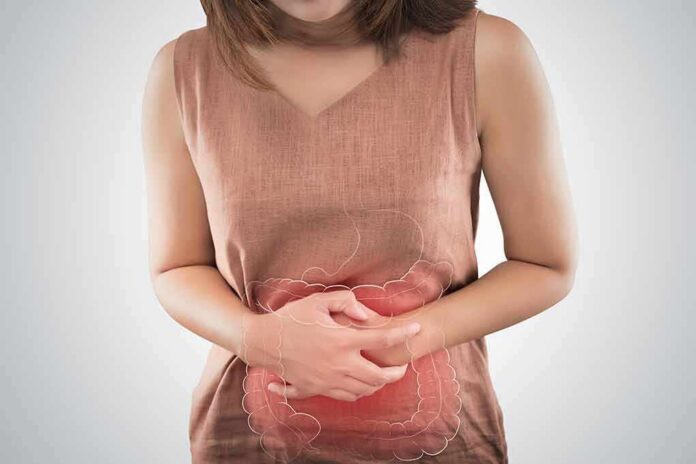
Every single adult already has three hemorrhoids right now, and most people will never know it until one flares up and ruins a normal bathroom trip.
Story Snapshot
- Gastroenterologist Dr. Will Bulsiewicz explains everyone has three hemorrhoids that only cause trouble when inflamed.
- Internal hemorrhoids cause painless bright red bleeding, while external or thrombosed ones bring the real pain.
- Straining, holding your breath, and long toilet sits raise blood pressure in the area and make flare-ups worse.
- National guidelines back the same fixes: more fiber, shorter toilet time, and less straining.
What The Episode Actually Explains
The claim sounds shocking at first: everyone has three hemorrhoids, all the time. Dr. Bulsiewicz makes this point plainly in episode 13 of The Gut Insiders, noting hemorrhoids exist in every body from birth. They only become a problem, he says, once they swell up and start acting out. That single distinction changes how most people should think about this taboo topic entirely.
Hemorrhoids are simply cushions of blood vessels sitting inside the rectum. They help control bowel movements every day without anyone noticing. Problems start when pressure builds and those vessels swell, stretch, or shift out of place. That swelling is what turns an invisible, normal body part into something painful, embarrassing, and hard to ignore.
Two Very Different Kinds Of Trouble
Not all hemorrhoid pain looks the same, and the episode draws a clear line. Internal hemorrhoids sit higher up inside the body and typically do not hurt at all. Instead, they bleed. That bright red blood on toilet tissue people often panic about usually traces back to this quiet, painless internal source rather than anything more serious.
External hemorrhoids are a different story entirely. These sit lower, closer to the surface, and come loaded with nerve endings. When one clots, doctors call it a thrombosed hemorrhoid, and it can turn into intense, sudden pain. Surgeons often recommend removing a thrombosed external hemorrhoid within 72 hours of symptoms starting for the fastest relief.
The Habit Doing The Most Damage
Straining on the toilet is public enemy number one for hemorrhoid flare-ups, according to the episode. Bearing down and holding your breath both spike pressure in the abdomen. That pressure pushes extra blood straight into the hemorrhoidal veins, swelling them further. The simple fix offered is almost comically low-tech: breathe normally and let gravity do the work instead of forcing it.
Guidelines Agree On The Toilet Clock
Recent national guidance backs up the episode’s warning about lingering on the toilet. Medical recommendations now urge people to keep toilet time under five minutes, with some experts pushing for closer to three minutes total. One popular memory trick among colorectal specialists is called TONE: three minutes on the toilet, once-daily bowel movements, no straining, and no phone scrolling while you sit.
That advice matters because sitting itself makes things worse, not just straining. Gravity pulls blood downward the longer someone stays seated, adding pressure exactly where it is not needed. Research out of Italy found a straight-line relationship between how long people sit and how severe their hemorrhoid symptoms became. Getting up, walking, and returning later beats waiting things out on the seat.
Fiber Keeps Showing Up As The Fix
Nearly every source in this space circles back to the same nutrient: fiber. Bulsiewicz has pointed out that roughly 95 percent of Americans fall short of daily fiber recommendations, and he links that shortfall directly to hemorrhoid flare-ups he sees in colonoscopy patients. Boosting fiber intake, he notes, cut hemorrhoid bleeding by about half in the patterns he has observed.
Outside research lines up with that pattern closely. One study found people eating less than 15 grams of fiber daily had a 72 percent hemorrhoid rate, compared to just 38 percent among those eating more than 25 grams. Health guidance recommends aiming for 25 to 30 grams of fiber daily alongside plenty of water to keep stool soft and movements easy.
Why This Common-Sense Advice Matters
None of this requires a prescription, a procedure, or a specialist visit for most people. It requires eating more plants, standing up sooner, and breathing instead of straining. That is refreshing in a health landscape often crowded with expensive supplements and complicated protocols. Simple, low-cost habits backed by both a practicing doctor and formal medical societies deserve real attention from anyone tired of quiet bathroom suffering.
Sources:
youtube.com, lms.ehc.gov.eg, healthday.com, pmc.ncbi.nlm.nih.gov, fascrs.org, health.com, albertahealthservices.ca