Doctors in Philadelphia are seeing more cases of a dangerous brain condition, and they cannot fully explain the jump.
Quick Take
- CBS News Philadelphia reports rising cases of a potentially dangerous brain condition tied to brain aneurysms.
- An aneurysm is a weak, bulging spot in a blood vessel that can rupture and cause a deadly stroke.
- Research shows aneurysms are already common, especially in women and people over 35.
- Philadelphia has several major hospital systems tracking and treating these cases, though no single public database shows an exact local count.
What Local Doctors Are Reporting
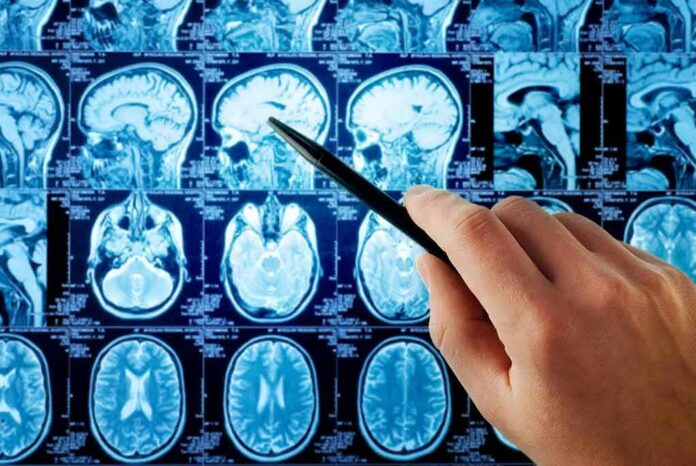
CBS News Philadelphia health reporter Stephanie Stahl broke the story on September 16, 2026. She said cases of a potentially dangerous brain condition are climbing, and doctors are not sure why. The report focused on brain aneurysms, a bulge in a blood vessel inside the skull that can rupture without warning.
A rupture causes a type of stroke called a subarachnoid hemorrhage. It kills about one in three patients who suffer it, and leaves another third with lasting damage. That grim math is why doctors treat even small aneurysms seriously, and why a reported rise in cases grabs attention fast.
Why Aneurysms Are More Common Than People Think
Brain aneurysms are not rare to begin with. Researchers estimate that roughly 3 percent of the general population walks around with one, most never knowing it. One large study found unruptured aneurysms in as many as 1 in 15 healthy adults, especially among people who smoke or have high blood pressure.
Age and sex matter a lot here. Aneurysms show up most often between ages 35 and 60, and women develop them at a higher rate than men, roughly a 3-to-2 ratio overall. One large review of nearly 350,000 patients found women made up about two-thirds of all unruptured aneurysm cases. That skew has puzzled researchers for years, since the biological reasons are still not fully mapped out.
Why a “Rise” in Cases Is Hard to Pin Down
A local report of “more cases” naturally raises the question of what changed. Did more people actually develop aneurysms, or are doctors simply finding more of them? Better imaging technology, wider use of scans, and referral patterns that funnel patients toward specialty brain centers can all inflate the numbers doctors see, even if the true rate in the population barely moved.
Artificial intelligence tools now help radiologists spot small aneurysms that might have been missed years ago. That is good for patients, but it complicates any simple story about rising danger. A review of AI-based aneurysm detection studies found most carried a high risk of bias and weak real-world validation, meaning the tools are promising but not yet a clean explanation for a reported increase.
What This Means for Philadelphia Patients
Philadelphia is not short on expertise here. Penn Medicine, Jefferson Health, Temple Health, and Main Line Health all run dedicated neuroscience programs treating aneurysms and related conditions, giving residents unusually strong access to specialists compared to many other cities. That density of care may itself be part of why cases appear more visible in local reporting than in areas with fewer specialty centers.
For readers over 40, the practical takeaway is simple and worth repeating. Sudden, severe headaches, vision changes, or unexplained neurological symptoms deserve an urgent medical evaluation, not a wait-and-see approach. Known risk factors like smoking, high blood pressure, and family history remain the strongest levers people can actually control, regardless of whether the overall trend line is climbing because of new cases or better detection.
The honest answer, at this point, is that doctors are watching a real pattern without a confirmed single cause. That is not a reason for panic, but it is a reason for attention, especially for women over 35 and anyone with a family history of aneurysms or stroke.
Sources:
youtube.com, jeffersonhealth.org, pennmedicine.org, quality.healthfinder.fl.gov, medifind.com, a-better-place.com