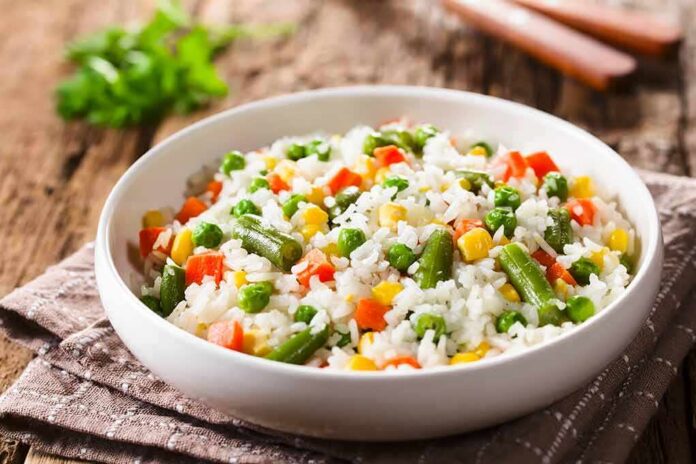
A bowl of plain white rice, left in the fridge overnight, can lower your blood sugar spike more than the same rice eaten hot off the stove.
Story Snapshot
- Cooling cooked starchy foods like rice, pasta, and potatoes triggers a process called retrogradation that creates resistant starch.
- Resistant starch resists digestion in the small intestine and ferments in the colon, feeding gut bacteria and producing beneficial fatty acids.
- Clinical studies show resistant starch supplements, taken at 15 to 40 grams daily, can improve insulin sensitivity and lower fasting blood sugar.
- Cooling leftovers at home offers a low-cost, food-based way to get some of the same benefits without buying a supplement.
What Happens When You Cool Your Carbs
Cooking breaks starch molecules apart so your body can absorb them fast. But cooling or freezing foods like bread, pasta, rice, and potatoes reverses part of that process. The starch molecules rearrange themselves through retrogradation, making them harder for digestive enzymes to break down. Some of that starch skips digestion entirely and travels to the colon instead.
Once resistant starch reaches the colon, gut bacteria ferment it into short-chain fatty acids, including butyrate, acetate, and propionate. These compounds feed the cells lining your gut and support a healthier microbiome. Research on cooled and reheated rice backs this up directly. One study found reheated rice held about two and a half times more resistant starch than rice eaten fresh.
The Supplement Research Behind The Trend
Resistant starch supplements, often made from high-amylose corn, have built a real research record. A systematic review and meta-analysis found that resistant starch intake significantly lowered fasting plasma glucose compared to regular digestible starch. Another review covering 13 studies and 428 overweight or obese adults found resistant starch supplementation reduced fasting insulin levels too.
Dosing matters. Reviews looking at cardiometabolic outcomes found the most consistent benefits showed up at daily intakes between roughly 15 and 40 grams, sustained over four to twelve weeks. That is a real commitment, not a sprinkle on your cereal. People managing type 2 diabetes, obesity, or fatty liver disease saw the clearest gains in these trials.
A Kitchen Trick With Clinical Backing
Here is where the story gets practical for anyone who skips supplement aisles. Cooling pasta and reheating it has been shown to reduce the blood sugar spike that follows a meal, even in adults with type 1 diabetes, without triggering dangerous low blood sugar afterward. That means the effect is not just a lab curiosity. It shows up in real eating situations, with real food, at the dinner table.
Rice behaves the same way. A 2015 study comparing freshly cooked white rice to rice cooled for 24 hours and then reheated found the glycemic response dropped significantly in healthy adults. This happens because the retrograded starch structure survives the reheating step, unlike some other cooking shortcuts that undo the resistant starch formed during cooling.
Why This Matters For Everyday Grocery Budgets
Resistant starch supplements are not expensive compared to many wellness products, but they are still an added cost most households do not need. Cooling your rice, pasta, or potatoes overnight costs nothing beyond a little planning. It uses food you already bought and a refrigerator you already own. That makes it one of the rare health trends that rewards patience and leftovers instead of a credit card.
Common sense says start simple before spending money on a bottle. Cook a big batch of rice or potatoes, cool it overnight, and reheat before eating. Pair that habit with the broader pattern researchers keep confirming: the dose, the food, and the person all shape how much benefit shows up. Supplements remain an option for people chasing specific clinical doses, but the fridge is free.
How to eat RICE :
1️⃣Soaks & cooks rice in excess water to decrease arsenic by up to 80%
2️⃣Adds coconut oil to rice to reduce the glycemic spike.
3️⃣Refrigerates rice overnight.
🚫Let’s debunk this:
HOW TO EAT RICE MORE SMARTLY 🍚
Rice isn’t unhealthy. How you cook it, how…
— Dr SHRADDHEY KATIYAR (@Wegiveyouhealt1) October 16, 2026
None of this requires overhauling your diet overnight. Swap fresh-cooked starch for day-old leftovers a few times a week and watch how your body responds. It is a small, low-risk change grounded in real clinical findings, not a fad chasing headlines.
Sources:
menshealth.com, link.springer.com, cambridge.org, academic.oup.com, pmc.ncbi.nlm.nih.gov