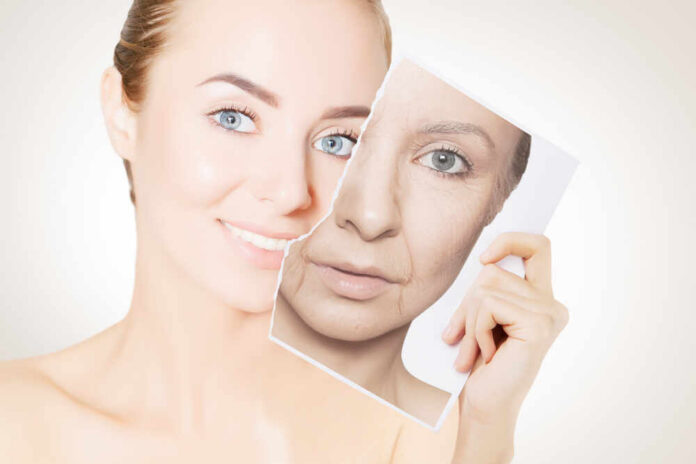
Lifting weights transforms aging skin and joints from the inside out, offering women over 35 something no cream can deliver: preserved collagen, protected connective tissue, and a metabolic shield against hormonal decline.
Story Snapshot
- Resistance training preserves collagen through muscle support and hormone regulation, countering the 2% yearly loss women face after 35
- Strength exercises protect joints by building surrounding muscle, reducing strain and improving mobility as estrogen declines
- The wellness industry shifts focus from topical products to internal habits as women reject expensive procedures for accessible exercise routines
- Dermatologists and skincare brands now promote resistance training alongside traditional anti-aging products for comprehensive results
The Collagen Crisis Hidden in Your Thirties
Women cross an invisible threshold around 35 when estrogen begins its slow retreat, taking collagen along for the ride. The dermis thins approximately 2% annually, draining elasticity and hydration while weakening the connective tissues that cushion joints. This hormonal shift creates a perfect storm: skin sags, knees ache, and the expensive serums lining bathroom shelves suddenly feel inadequate. The wellness industry built fortunes on topical solutions, yet the most effective intervention requires no prescription, no appointment, and costs less than a monthly skincare subscription.
Why Barbells Beat Botox for Aging Skin
Resistance training activates growth factors that directly stimulate collagen production, essentially turning back the clock on skin architecture. When muscles contract under load, they trigger IGF-1 signaling pathways that rebuild dermal structure from within. Enhanced circulation floods skin cells with oxygen and nutrients, creating the glow no highlighter can replicate. Improved insulin sensitivity regulates inflammation, the silent accelerator of premature aging. Unlike retinol that works surface-level or procedures that require maintenance, strength training rebuilds the foundation itself. Women who lift consistently preserve facial structure as muscle tissue supports overlying skin, preventing the downward drift gravity demands.
The Joint Protection Nobody Talks About
Joints deteriorate when surrounding muscles weaken, forcing cartilage and bone to absorb impacts they were never designed to handle alone. Resistance training reverses this vulnerability by building muscular armor around vulnerable joints, distributing force across stronger tissue networks. The hormone specialists who study perimenopause emphasize this connection: estrogen protects more than fertility; it maintains the integrity of tendons, ligaments, and synovial fluid. As levels drop, women who strength train two to three times weekly show markedly better joint mobility and reduced osteoarthritis risk compared to sedentary peers. The mechanical stress of lifting stimulates bone density improvements, creating a cascade of skeletal benefits that compound over years.
The Protein Problem Sabotaging Results
Nutrition research reveals most women over 35 consume insufficient protein to support tissue repair, undermining even consistent exercise efforts. Collagen synthesis requires amino acid building blocks that vanish when diets emphasize carbohydrates and restrict calories. Skincare brands like BioRepublic now pair workout recommendations with protein targets, acknowledging that lifted weights mean nothing without nutritional support. Dermatologists note patients often spend hundreds monthly on creams while skimping on the salmon and Greek yogurt their skin actually craves. The irony stings: women invest in external fixes while starving internal repair mechanisms. Adequate protein intake amplifies resistance training benefits, accelerating visible improvements in skin texture and joint comfort within weeks.
The Industry Pivot From Products to Practices
The $150 billion anti-aging market faces an existential challenge as consumers recognize limitations of topical interventions. Post-pandemic wellness culture accelerated this shift, with home workout adoption exposing millions to strength training’s comprehensive benefits. Inflation pressured household budgets, forcing choices between gym memberships and department store serums. Smart brands adapted by promoting exercise as complementary rather than competitive, bundling workout guides with skincare lines. Women’s Health and similar publications pivoted editorial strategies, recognizing readers wanted accessible habits over aspirational luxury. The economic implications ripple outward: gym equipment sales surge while cosmetic procedure demand softens among the 35-plus demographic seeking sustainable solutions over temporary fixes.
What Dermatologists Actually Recommend
Medical experts universally endorse resistance training but emphasize integration with proven topical treatments rather than replacement. SPF remains non-negotiable for preventing photo-damage no amount of squats can reverse. Retinol accelerates cell turnover externally while exercise rebuilds internally, creating synergistic effects that outperform either approach alone. Dermatology practices report patients increasingly request preventive protocols over reactive procedures, valuing long-term tissue health above quick corrections. The advice centers on consistency: 30 minutes of resistance work most days, combined with adequate sleep for hormone regulation and hydration for nutrient transport. Starting gradually prevents injury that sidelines progress, particularly for women new to strength training or managing existing joint concerns.
The Reality Behind the One Habit Claim
Resistance training delivers measurable benefits for skin and joints, but framing it as a singular solution oversimplifies complex aging processes. Sleep quality, stress management, sun protection, and nutrition all influence outcomes dramatically. The “one habit” angle serves marketing purposes, grabbing attention in crowded wellness feeds where nuance gets ignored. Yet the core claim holds merit: no other single practice addresses collagen preservation, hormone regulation, metabolic health, and joint protection simultaneously. Women who adopt strength training report improvements within months, though individual results vary based on consistency, intensity, and lifestyle factors.
Sources:
BioRepublic – Skincare After 35: What Actually Changes in Your Skin and What to Do About It
Bryn Mawr Dermatology – Anti-Aging Tips for 30s
HolPlus – Skin Care Routine for Women in 30s
BPW Center – Thoughtful Aging 35-45
Women’s Health UK – The Best Skincare to Use in Your 30s
Skinjectables – How Hormones Affect Your Skin: What Women Over 35 Should Know
MedStar Health – Health Over 30