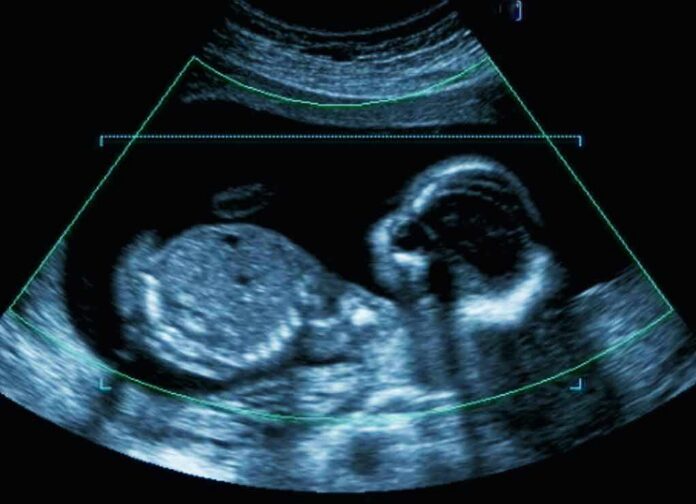
Some joints may be marked for rheumatoid arthritis trouble before a baby ever takes a breath.
Quick Take
- Scientists at the Kennedy Institute found joint tissue differences that exist before birth in joints later prone to rheumatoid arthritis
- The study, published in Nature Immunology, points to prenatal joint development as a factor in why the disease strikes some joints and not others
- Susceptible joints showed larger synovial volumes and more of a specific fibroblast cell type tied to inflammation
- The finding fits a larger, well-known pattern of hormonal and immune shifts shaping rheumatoid arthritis throughout pregnancy and after
A New Clue Buried in Early Development
Rheumatoid arthritis has puzzled doctors for decades with one strange habit. It attacks certain joints again and again while leaving others almost untouched. Researchers at the Kennedy Institute set out to learn why. Their answer reaches back further than anyone expected, all the way to the womb, before a child’s joints ever bear weight or bend under stress.
The study, titled “The embryonic origins of site-specific arthritis,” found that joints commonly affected by rheumatoid arthritis already carried distinct cell populations before birth. These differences were built in early, not picked up later in life through wear, injury, or environment. That timing shifts the whole conversation about where this disease actually starts.
What The Cells Revealed
The joints most linked to rheumatoid arthritis had larger synovial volumes than joints rarely touched by the disease. They also carried more fibroblasts marked by a protein called PI16, a cell type researchers connect to inflammatory activity. Those two traits together suggest some joints are built with a head start toward inflammation, long before any immune trigger shows up later in adulthood.
This does not mean every person with these joint traits will develop rheumatoid arthritis. It means the architecture of a joint, set down before birth, may load the dice. Genetics, hormones, and later immune triggers still decide whether disease actually takes hold. The prenatal blueprint appears to set the stage rather than write the whole script.
Why This Fits A Bigger, Familiar Pattern
Rheumatoid arthritis has long been known as a disease shaped by biology’s shifting seasons. Pregnancy itself often calms the disease, with roughly six in ten women seeing improvement while carrying a child. Then the joint pain frequently comes roaring back after delivery, with nearly half of those women flaring within months of giving birth.
That established pattern shows the disease is deeply tied to hormonal and immune context, not just fixed genetics. A prenatal origin for joint susceptibility does not contradict that history. It adds a new layer underneath it, suggesting the immune and hormonal swings of adulthood act on joint tissue that was already primed differently from the very start of life.
What Doctors And Families Should Take From This
Rheumatologists have long worked from the outside in, treating flares and tracking disease activity through blood markers and joint exams. This research works from the inside out, asking why the joint tissue itself behaves differently in the first place. That question matters for future treatment, since a joint’s early cellular makeup could eventually help flag risk before symptoms ever appear.
Doctors already watch women closely during pregnancy and the year after delivery, since disease activity changes so much during that window. Understanding prenatal joint biology could someday sharpen that watch even further, giving families and physicians a clearer picture of who faces real risk long before the first swollen knuckle or aching knee shows up.
None of this changes today’s treatment playbook. It does offer a fresh explanation for a question rheumatologists have asked for generations. Why does this disease pick certain joints and spare others? The answer may have been sitting quietly in embryonic tissue all along, waiting for researchers to look early enough to find it.
Bigger studies will need to confirm how strongly these prenatal differences predict actual disease later in life. That next step is standard science, not a knock against what researchers have already found. For now, the discovery gives families dealing with rheumatoid arthritis a new, grounded reason to believe answers are still coming.
Sources:
sciencedaily.com, pubmed.ncbi.nlm.nih.gov, ncbi.nlm.nih.gov