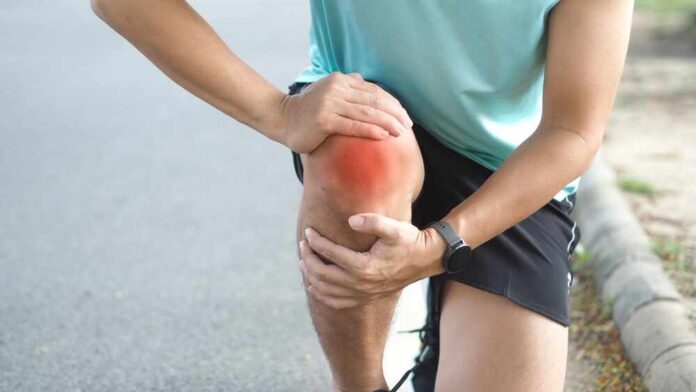
The most reliable way to tame sore muscles is not a mystery supplement or a fancy gadget, but a short list of old-school habits that research keeps validating.
Story Snapshot
- Massage has the strongest scientific backing for easing delayed onset muscle soreness and fatigue.
- Light movement, stretching, and foam rolling help circulation and stiffness, but their healing power is modest.
- Heat, cold, and compression can blunt soreness signals more than they “fix” damaged muscle.
- Sleep, protein, and hydration quietly do more for long-term recovery than most trendy tools.
Why Your Muscles Ache Two Days After You Felt Great
Most people over 40 discover delayed onset muscle soreness the hard way: the workout felt fine, then 36 hours later, stairs become a negotiation. Experts label this delayed onset muscle soreness, the micro-damage and inflammation that follow unfamiliar or intense exercise.[8] That ache is not a sign you “broke” something; it is your muscles adapting. The real question is not how to avoid soreness forever, but how to manage it so you can keep training without limping through your life.
Consumer health sites and clinics largely agree on the basics: keep moving gently, use heat or cold as needed, and respect pain that feels sharp or abnormal.[1][4][9] This consensus matters for anyone who values personal responsibility and wants to stay active without outsourcing every decision to a specialist. The catch is that not every popular remedy carries the same weight of evidence, and some tools are more comfort than cure. Sorting the signal from the noise is where the real value lies.
Massage: The Clear Front-Runner In The Evidence
A major review of post-exercise recovery methods compared massage, compression garments, water immersion, stretching, and more, and landed on a blunt conclusion: massage seems to be the most effective method for reducing delayed onset muscle soreness and perceived fatigue.[7] The effect was not a rounding error; the authors reported a large decrease in soreness and fatigue with massage compared with other techniques.[7] For a change, the thing that feels good, looks “old-fashioned,” and does not require a smart phone app is also the best-supported intervention.
Other sources aimed at everyday exercisers echo this, advising rubdowns or self-massage to release tightness, push pooled fluid out, and drive blood into the muscle.[3] Cleveland Clinic also highlights massage for better blood flow and stiffness relief.[9] This checks several boxes: it is low-tech, relatively low-risk, does not condition you to rely on pharmaceuticals, and aligns with the evidence instead of chasing novelty. If you are going to spend money or time on one “recovery luxury,” the data say massage deserves first place.
Movement, Stretching, And Foam Rolling: Helpful, But Not Magic
Multiple expert sources emphasize the same uncomfortable truth: when you are sore, the best thing you can do is move anyway, just more gently.[3][5][9] Light walking, easy cycling, or yoga keep blood flowing and help your body clear the byproducts associated with soreness more quickly.[3][5] Henry Ford Health notes that research confirms light activity keeps blood circulating and speeds the body’s ability to drain waste and soreness-related chemicals.[3] That is not high-tech, but it works, and it preserves your independence.
Foam rolling and stretching live in a more nuanced category. Guidance from hospitals and fitness experts credits foam rolling with increasing blood flow, easing tightness, and helping you tolerate deeper stretching.[3][6] Self-massage with a roller is widely recommended as a practical home option.[9] At the same time, even mainstream athletic advisers concede that research does not clearly show foam rolling “fixes” muscle damage or dramatically changes the healing process.[5] The sensible read: use these tools to feel and move better, but do not fool yourself into thinking they replace patience and progressive training.
Heat, Cold, Compression, And Painkillers: Comfort Versus Healing
Heat and cold remain workhorses because they target the pain signals more than the underlying micro-tears. Clinics often suggest ice in the first day or two to calm inflammation and numb discomfort, followed by heat to relax tight muscles and boost blood flow.[1][4] A review of dozens of studies found that cold applications, including ice packs and cold-water baths, can reduce delayed onset muscle soreness symptoms.[4] That matters when soreness interferes with work, sleep, or basic movement.
Protocol:
– 20-30 minutes at moderate pressure (60-80 mmHg)
– post-exercise or evening
– sequential mode (foot-to-thigh inflation pattern)The research:
– compression therapy reduces delayed-onset muscle soreness by 20-30%
– shortens blood lactate clearance time after training…— PerformanceProtocol (@PerformanceProt) June 1, 2026
Compression garments appear in the same evidence cluster as massage and water immersion for reducing perceived fatigue after hard exercise.[7] By squeezing the limbs, they may help fluid move and lessen the heavy, sluggish feeling.[4][7] Over-the-counter pain relievers like ibuprofen can blunt discomfort but do not speed muscle healing and carry side effects if used casually.[1][4]
The Quiet Power Of Sleep, Food, And Progressive Training
While gadgets hog attention, the unglamorous fundamentals still do the heavy lifting. Health systems remind patients that real tissue repair happens during sleep and that seven to nine hours per night support recovery.[1][5] Nutrition advice from sports dietitians pushes protein plus carbohydrates within an hour of training, since protein supports repair and carbs restock energy for the next session.[5] Hydration matters too; dehydration impairs muscle function and can make soreness feel worse and last longer.[3][8]
Several experts point out an uncomfortable but liberating fact: the only strategy truly proven to reduce long-term post-exercise soreness is a progressive approach to training that gives your muscles time to adapt.[5] In other words, you cannot out-recover reckless programming. From a personal responsibility standpoint, that is the heart of the matter. Massage, foam rolling, heat, cold, and compression can all help you feel better. But the adult move, especially after 40, is to train smart, protect sleep, eat like recovery matters, and save the fancy tools for when you have already done your part.
Sources:
[1] Web – 10 Expert-Backed Tips to Treat Sore Muscles
[3] Web – An Evidence-Based Approach for Choosing Post-exercise Recovery …
[4] Web – Decreasing Muscle Soreness After Exercise – The Fascia Institute
[5] Web – Muscle Soreness After a Workout: Can It Be Prevented?
[6] Web – Still Sore? Post-Workout Muscle Recovery Tips – UVA Health
[7] Web – Muscle Soreness & DOMS: How to Prevent & Treat … – NASM Blog
[8] Web – 8 Ways To Ease Post-Workout Muscle Soreness – Henry Ford Health
[9] Web – 14 Tips To Maximize Muscle Recovery – Healthline