The most “healthy” thing in your cart might be a sugar bomb in disguise.
Story Snapshot
- Two physicians flagged 10 popular “healthy” foods that often hide sugar, salt, oils, and calories.
- Health halos like “whole grain” or “plant-based” can mask weak nutrition profiles.
- Ultra-processed food guidance is mixed; many such foods are also high in fat, sugar, and salt.
- Labels and portions beat marketing claims if you want steady weight and energy.
Doctors challenge the health halo around everyday staples
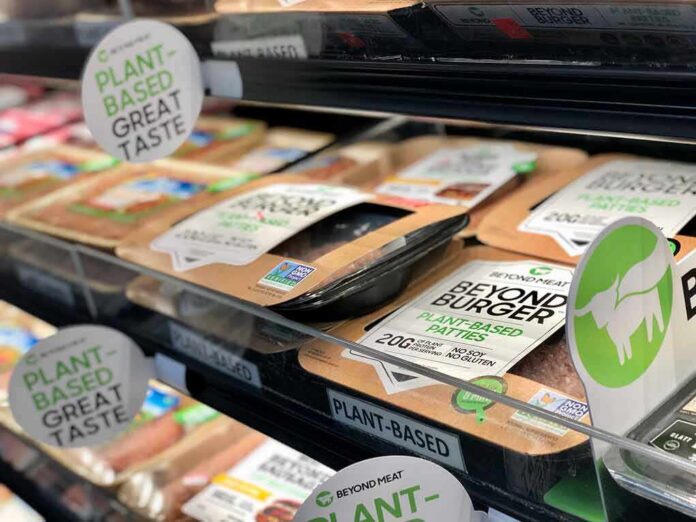
Talking With Docs hosts Dr. Brad Weening and Dr. Paul Zalzal named 10 foods that look healthy on the shelf but can derail your goals: protein bars, whole-grain bread, flavored yogurt, granola, breakfast cereals, veggie chips, plant-based burgers, smoothies, salad kits with dressings, and pre-made “light” meals. They point to added sugars, refined oils, sodium, and extra calories as the common traps. Their advice centers on reading the full nutrition label and ingredient list, not the front-of-pack buzzwords.
Protein bars often carry more sugar than a candy bar, once you count syrups and chocolate coatings. Whole-grain bread can blend whole and refined flours and add sweeteners to improve taste and shelf life. Flavored yogurt can slip from a protein win to a dessert with several teaspoons of sugar per cup. Granola earns a “natural” image, yet many recipes roast oats in oil and bind clusters with sugar. The pattern repeats across cereals and packaged “veggie” snacks.
How health halos trick smart shoppers
Packaging claims like “organic,” “sustainable,” “plant-based,” or “whole grain” can nudge us to assume fewer calories, less sugar, or better overall nutrition. Research calls this the health halo effect. When one positive trait stands out, people often rate the whole product as healthy and overlook the rest of the label. Systematic reviews show these cues can meaningfully raise perceived healthfulness even when the numbers do not back it up.
Front labels sell a story; the back panel tells the truth. Common sense says measure what matters: protein, fiber, added sugars, sodium, and total calories per serving. Watch serving size games. A small “half bar” serving can hide a big sugar hit when you eat the whole thing. Check the first three ingredients. If they are sugar sources, refined grains, or seed oils, the product likely misses the mark for daily use.
Where ultra-processed foods fit, and where they do not
Guidance around ultra-processed foods warns that many such products are high in fat, sugar, and salt and link to poorer diets. That aligns with what the doctors caution about these 10 foods when they show heavy processing and additions. Still, “ultra-processed” is a broad bucket. Some items labeled that way can fit a balanced plan, so the smarter move is to judge by nutrition facts, not category alone. Government briefings and reviews also note that high intakes of ultra-processed foods correlate with worse health outcomes, which supports a “less often, label-aware” approach.
The practical north star stays the same: eat more foods close to their natural form. When you do buy packaged items, pick products with simple ingredients, strong fiber and protein, and limited added sugar and sodium. That frame respects both freedom of choice and personal responsibility while pushing back on marketing fog.
Ten traps, and simple swaps that fix them
Protein bars: choose bars with under 8 grams of added sugar and at least 12 grams of protein. Whole-grain bread: look for 100% whole grain on the label and 3 or more grams of fiber per slice. Flavored yogurt: buy plain, add fruit, and sweeten lightly. Granola: treat it like a topping, not a bowl. Cereal: favor unsweetened, high-fiber options. Veggie chips: eat real vegetables, roasted with oil and salt you measure. Plant-based burgers: compare protein, sodium, and ingredient length to lean meat.
You can eat clean and be unhealthy. You can eat some processed foods and still be healthy. Context matters.
— Jaina (@Jainadave_) October 25, 2026
Smoothies: count whole fruit portions and add a protein source; skip juice bases. Salad kits: use half the dressing and crunch toppers; add extra greens. “Light” ready meals: verify portion size, protein, and sodium; pair with a side of vegetables. These small shifts keep the convenience but drop the hidden load. Over time, that means steadier energy, easier weight control, and better blood sugar without giving up taste or time.
Sources:
youtube.com, nutrition.org.uk, ars.usda.gov