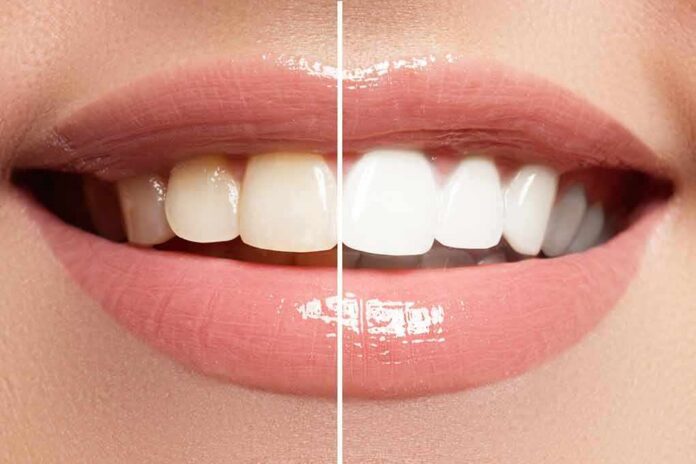
Store-shelf teeth whitening strips use far weaker bleach than what dentists put in your mouth, and that gap explains almost everything about cost, speed, and risk.
Quick Take
- Dentist treatments use stronger bleaching chemicals and work faster than over-the-counter (OTC) kits.
- OTC strips, gels, and trays cost much less but need weeks of repeated use to show results.
- Overusing OTC products can hurt enamel, cause gum irritation, and raise tooth sensitivity.
- Dentists can spot cavities or gum disease first, lowering the chance of painful side effects.
- Both options can work well when used the right way, so the better choice depends on your mouth and your budget.
Why The Chemical Strength Gap Matters
The American Dental Association says over-the-counter whitening products generally contain lower amounts of carbamide peroxide or hydrogen peroxide than treatments a dentist provides in the office or prescribes for home use. That difference in strength is the main reason dentist treatments act faster, while drugstore kits need patience and repeat applications to reach a similar shade change.
Dentist-supplied home kits typically use gel with 10% to 16% carbamide peroxide, delivered through custom-fitted trays made for your teeth. Store-bought strips, gels, toothpastes, and rinses sit below that strength. A European Commission health review classified home bleaching formulas in the 10-15% carbamide peroxide range as safe and effective when used correctly, based on a 2003 Food and Drug Administration safety finding.
What The Research Shows On Results
A study published in the journal BDJ Open compared over-the-counter and dentist-prescribed at-home whitening products, looking at tooth color, enamel hardness, and surface texture. Dentist-prescribed products generally performed better on several measured outcomes in that research, though both product types changed tooth color over time. Experts quoted by the American Dental Association echoed this pattern, noting that strips and gel trays bought in stores can lighten teeth after weeks of steady use, while professional treatments contain higher bleach concentrations that act faster.
A broader review published through the National Institutes of Health’s research database found most studies did not show one bleaching method clearly beating the others for overall effectiveness, though in-office treatments showed a higher rate of patients needing repeat treatment compared to at-home options. This suggests speed does not always mean longer-lasting results, and slower home methods may hold their whitening effect for a longer stretch.
Safety Risks Tied To Overuse
Dentists warn that repeated, heavy use of over-the-counter whitening strips, pens, and gel trays can damage enamel and gums over time. Reported problems include increased tooth sensitivity and, in extreme cases, teeth turning more translucent as enamel wears thin. These risks tend to grow when people skip a dental checkup first and whiten teeth that already have hidden cavities or gum disease.
Dentists recommend a cleaning and oral exam before starting any whitening plan, since untreated decay or gum recession can get worse once bleaching chemicals touch exposed areas. A professional can catch these issues early, something an OTC kit bought online or at a pharmacy cannot do. The Australian Dental Association’s policy statement similarly stresses that peroxide-based bleaching is safest when a dentist supervises its use.
Weighing Cost Against Convenience
Price remains the clearest advantage for over-the-counter kits, since they cost a fraction of an in-office visit and require no appointment. Consumer reviews note that OTC products have closed much of the performance gap with professional treatments in recent years, even though they still work more slowly. For people with healthy teeth and gums looking for a gradual, budget-friendly brightening, OTC kits remain a reasonable option when used as directed.
For patients wanting fast, predictable results, or anyone with existing dental issues, a dentist visit still carries real advantages beyond speed. Professional oversight reduces the risk of damaging enamel or irritating gums, and only a small number of carbamide peroxide formulas carry formal American Dental Association approval for safety and effectiveness. Neither option is a one-size-fits-all answer, and the right choice depends on a person’s dental health, budget, and how fast they want to see change.
Sources:
wellness.com, ada.org, adanews.ada.org, nbcnews.com, ec.europa.eu, aarp.org