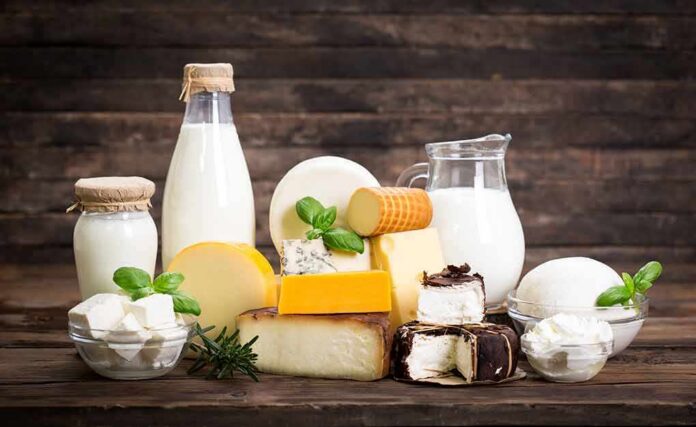
Swap a third of your dairy for popular plant milks, and iodine shortfalls jump fast.
Story Snapshot
- Modelled dairy swaps with common plant milks raised iodine inadequacy, most in teen girls.
- Bigger swaps cut average iodine 9–28%, depending on how much dairy you replace.
- Full swaps pushed inadequacy near 80% for adolescent females in the model.
- Mandatory fortification erased most declines, proving the fix is policy and labeling.
The modelling result that set off the iodine alarm
Researchers mapped what happens if people replace dairy with the plant-based options now on shelves. They used United Kingdom diet data and current product nutrition to simulate swaps across age and sex groups. When 20 to 35 percent of dairy was replaced, the model projected iodine inadequacy rising from 54 to 65 percent in girls aged 14 to 18, and from 32 to 42 percent in women 19 to 49. That is not a scare headline; it is the formal estimate tied to real products on sale.
The dose-response pattern mattered more than any single number. Replace 35 percent of dairy, and average iodine intake fell 9 to 21 percent. Push the swap to 50 percent, and the drop widened to 13 to 28 percent across most groups. The same modelling flagged declines in calcium, riboflavin, and vitamin B12, with young children, teens, and adult women most affected. These are the groups you worry about first if you care about growth, cognition, and thyroid health.
Full replacement paints the stark edge case
When the model swapped dairy entirely for current plant alternatives, projected iodine inadequacy surged. The summaries reported about 80 percent of adolescent females and 72 percent of adolescent males falling short under that full-replacement scenario. No one should confuse projected shortfall with diagnosed disease. But when four essentials all tilt down at once on the dashboard, you ease off the accelerator. That is common sense and aligns with a conservative view of risk.
Policy testing inside the study gives a practical out. Mandatory fortification of plant-based dairy alternatives prevented the modeled declines in iodine, calcium, riboflavin, and vitamin B12. Pairing this with iodine-fortified bread strengthened the protection, though adolescent girls still showed concern for iodine. The lesson is not “plant milks are bad.” The lesson is “unfortified or thinly fortified products create avoidable gaps.” Structure the market well, and the risk drops.
Why the market, not the ideology, drives the risk
United Kingdom consumers do not have routine iodized salt, and dairy has become a key iodine source. Many plant-based products still skip iodine fortification or do it inconsistently. One recent market review found less than half of non-organic plant milks were iodine-fortified, and iodine was rare in plant yogurts and cheeses. That inconsistency explains why swapping dairy can punch a hole in iodine intake even when protein and calcium look okay on the label. This is a formulation problem, not a moral one.
Popular Dairy Alternatives Could Be Leaving You Short of Essential Nutrients | University of Surrey
A new study reveals that even partially replacing dairy products with plant-based alternatives could significantly reduce the intake of essential nutrients.
Replacing even a… pic.twitter.com/Fs3rJqKeTt
— Owen Gregorian (@OwenGregorian) November 9, 2026
Advocates for plant-based eating make fair points that fit the data, not against it. The Vegan Society says it does not recommend unfortified plant milks and backs mandatory iodine fortification and iodized salt in bread. It advises shoppers to pick fortified, unsweetened milks with clear iodine and calcium levels. That view matches the study’s fix: if you fortify the products people actually buy, the gap closes. The debate should stay with standards, not slogans.
How to use this if you buy plant milks
Check the carton. Choose plant milks that list iodine and calcium at meaningful levels, and keep an eye on vitamin B12 and riboflavin. If you are a teenage girl, a parent of one, or a woman of childbearing age, take this especially seriously. If your favorite brand does not fortify with iodine, consider switching, adding iodized salt where available, or discussing a supplement with your clinician. Do not assume “oat” or “almond” means less; the label and the fortification do.
What policymakers should do next
Set mandatory iodine, calcium, vitamin B12, and riboflavin standards for plant-based dairy alternatives. Require front-of-pack disclosure when a product lacks iodine. Align bread fortification to backstop iodine intake. Fund a short, real-world trial that measures urinary iodine and thyroid markers before and after dairy swaps using today’s fortified products. These are modest steps with high impact. They respect consumer choice while protecting kids and families from quiet, creeping gaps.
Sources:
nabu.science, independent.co.uk, newsweek.com