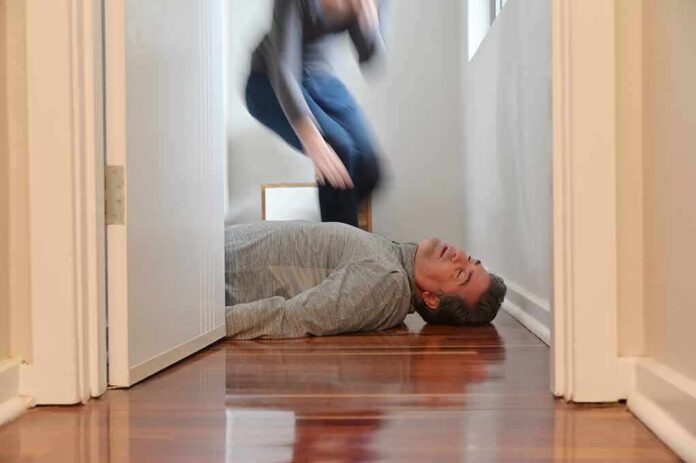
About every 40 seconds, someone in the United States has a heart attack, and many people still miss the warning signs.
Story Snapshot
- American Heart Association says a heart attack strikes about every 40 seconds in the U.S.
- Chest discomfort is the top sign; pain can spread to arms, back, neck, jaw, or stomach
- Shortness of breath, cold sweat, nausea, and lightheadedness may also signal a heart attack
- Only about half of adults can name all key symptoms, leaving many at risk
What “every 40 seconds” really means
American Heart Association guidance states that about every 40 seconds, someone in the United States has a heart attack. That figure reflects hundreds of thousands of events each year and shows how common this emergency is. The goal is simple: help people spot symptoms and call 911 fast. Speed matters because early care can limit heart damage and save lives. Public health groups keep repeating this message so it sticks when seconds count.
Survey research shows awareness is still uneven. In a large national analysis, only about 53 percent of adults recognized all five common symptoms of a heart attack, while nearly 6 percent did not recognize any of them. That gap can delay care. Many people hope symptoms will pass or they try to drive themselves to the hospital. Experts urge people to call 911 instead so trained teams can begin treatment on the way.
How to recognize the warning signs
Chest discomfort is the most common sign. It can feel like pressure, squeezing, fullness, or pain in the center of the chest. It may last more than a few minutes or go away and return. Pain or discomfort can also appear in one or both arms, the back, neck, jaw, or stomach. Shortness of breath can happen with or without chest discomfort. Some people also break out in a cold sweat, feel nauseated, or get lightheaded.
Symptoms can differ from person to person. Some people feel strong pain. Others feel vague pressure, fatigue, or shortness of breath. Women can have the same classic chest symptoms as men, but they may be more likely to report shortness of breath, back pain, jaw pain, nausea, or unusual tiredness. Anyone with these warning signs should call 911 right away. Do not wait to see if it gets better on its own.
Why fast action saves lives
Doctors stress that time is muscle. The longer the heart lacks blood flow, the more damage occurs. Earlier research found that only about one in five patients reached a hospital within an hour of symptoms, the window when rapid treatment can help the most. Emergency crews can give oxygen, aspirin if advised, and alert hospitals to prepare. That chain of care speeds tests and treatment once the patient arrives, improving survival and recovery.
Calling 911 also protects other drivers and bystanders. Chest pain can worsen fast. Pulling over or passing out behind the wheel puts many at risk. Paramedics can also spot when the problem is not a heart attack but still needs care. Not every chest pain is a heart attack, yet the safest choice is to get checked right away when warning signs appear.
Practical steps you can take today
Learn the core signs and share them with family and coworkers: chest pressure or pain; pain in arms, back, neck, jaw, or stomach; shortness of breath; cold sweat; nausea; or lightheadedness. Save local emergency numbers in your phone. Post them at home and work. If symptoms start, call 911, chew an aspirin if instructed, and unlock the door for responders. Keep a list of your medicines and allergies in your wallet or on your phone.
Prevention also matters. Talk with a clinician about blood pressure, cholesterol, blood sugar, and smoking. Ask about exercise, sleep, and a heart-healthy diet. Know that heart attacks can be sudden and serious even in people who feel fine. Many Americans feel let down by systems that move too slowly, but each of us can act fast when it counts. Learning the signs and calling 911 can turn a bad day into a second chance.
Sources:
heart.org, pmc.ncbi.nlm.nih.gov