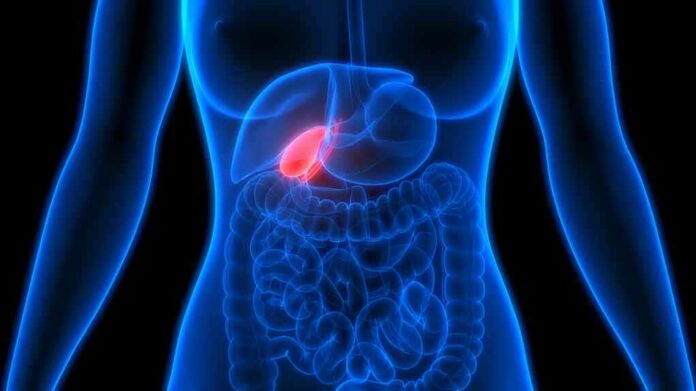
A new review of 25 clinical trials found that regular exercise lowers key liver enzymes and body mass index in people with fatty liver disease, even though it did not significantly shrink the fat sitting inside the liver itself.
Quick Take
- A systematic review and meta-analysis of randomized trials found exercise significantly cut ALT and AST, two liver enzyme markers, in adults with fatty liver disease.
- Body mass index dropped by an average of 1.54 points and cardiorespiratory fitness rose notably among exercisers compared to control groups.
- The same analysis found no statistically significant drop in liver fat itself, nor in insulin resistance or blood sugar markers.
- Researchers built the findings on randomized controlled trials, the gold standard for testing cause and effect, not just loose associations.
What The New Analysis Actually Found
Researchers pooled data from 25 randomized controlled trials involving adults diagnosed with metabolic dysfunction-associated steatotic liver disease, the condition formerly known as nonalcoholic fatty liver disease. The study followed PRISMA 2020 guidelines, a widely respected standard for conducting systematic reviews. People who exercised saw their ALT levels fall by an average of 7.33 units per liter and their AST levels drop by 5.52 units per liter compared to those who did not exercise.
Those two enzymes, ALT and AST, are standard blood tests doctors use to check for liver cell damage or stress. When they drop, it usually signals the liver is working under less strain. The same pooled data also showed body mass index falling by 1.54 points on average, along with a meaningful jump in VO2 peak, a direct measure of cardiorespiratory fitness, climbing more than 4 points among exercisers.
The Honest Limits Behind The Headline
Here is the part that deserves equal attention: the same analysis found no statistically significant reduction in liver fat itself, the actual imaging feature that defines fatty liver disease in the first place. Insulin resistance and blood sugar markers known as HbA1c also showed no significant improvement across the pooled trials. That is not a contradiction. It simply means exercise helped some measurable things and not others.
This pattern is not new. Earlier reviews found similar splits. One analysis of nine studies covering 951 people found small but real reductions in liver enzymes, while describing the overall effect size as modest. Another broader review concluded that at least 150 minutes of moderate exercise weekly can improve fatty liver disease with or without meaningful weight loss, pointing to benefits beyond the scale. The common thread across this research is that exercise reliably moves the needle on fitness, weight, and enzymes, while liver fat and deeper metabolic markers respond less consistently.
Why Liver Enzymes Matter Even Without A Fat Scan Change
Skeptics might ask why enzyme improvement matters if the liver’s fat content does not budge in the same study window. The answer is that ALT and AST reflect ongoing cellular stress, and lower numbers generally track with less inflammation over time, even before imaging shows a visible change. Treating these as meaningless simply because they are not a biopsy or an MRI scan misses how clinicians actually monitor liver health in real-world practice.
Earlier research, including a 2022 meta-analysis, found that aerobic and resistance exercise together reduced ALT and AST while also trimming body weight by nearly two kilograms, though the magnitude varied depending on the exercise type used. That variability is worth taking seriously rather than brushing aside, because it tells doctors and patients that not every workout plan produces identical liver benefits, and dose and format likely matter.
What Still Needs Proving
The pooled analysis relied on an abstract summary rather than the full trial-level dataset, so questions about dropout rates, individual trial quality, and whether a handful of studies drove the headline numbers remain open. Researchers have also flagged substantial inconsistency, or heterogeneity, in enzyme results across past reviews, with one analysis reporting an I-squared value of 88 percent, a statistical signal that trials disagreed sharply with each other. That inconsistency is a reason for cautious optimism, not dismissal.
Fatty liver isn’t the root problem. It’s your body’s response to one.
Most cases of non-alcoholic fatty liver disease come down to insulin resistance. When blood sugar stays high, your body moves excess glucose into fat stores, and some of that ends up in the liver. Treat the…
— Dr. Will Cole (@drwillcole) November 2, 2026
None of this undercuts the basic, common-sense takeaway: moving your body regularly helps your liver function better by measurable blood markers, improves fitness, and helps manage weight, even if it is not a guaranteed fix for every number on a lab report. Readers chasing a single magic workout should instead expect steady, incremental gains that build over months, matching what clinical guidelines already recommend for metabolic health broadly.
Sources:
mindbodygreen.com, pmc.ncbi.nlm.nih.gov