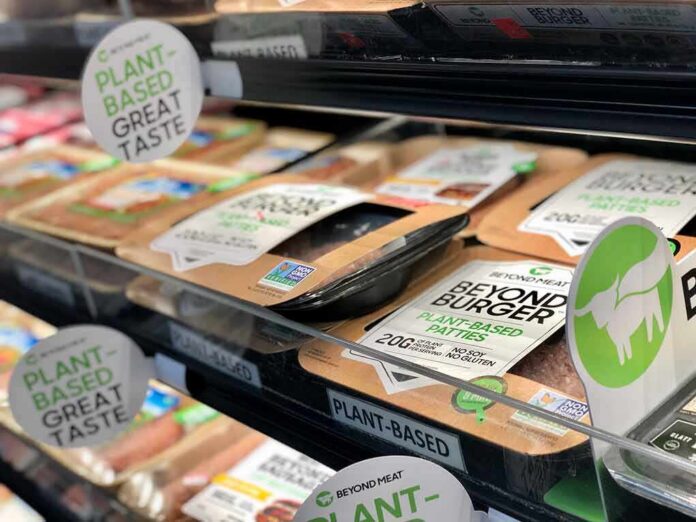
Grocery shelves now sell protein versions of foods that never used to need it, from popcorn to ice cream, and a new CBS Mornings segment asks the question millions of shoppers are quietly wondering: how much protein does a person actually need?
Quick Take
- CBS Mornings aired a segment called “Protein snacks are everywhere. How much is enough?” featuring Dr. Tania Elliott.
- The standard protein guideline is 0.8 grams per kilogram of body weight per day, or about 61 grams for the average woman.
- Federal health data shows many American adults already eat roughly 20% more protein than recommended.
- Dietitians say pairing protein with fiber, not maxing out grams, is what actually keeps hunger away.
A Snack Trend Built Around One Nutrient
Snack companies have turned protein into a marketing weapon. Bars, shakes, chips, and even cookies now boast protein counts on the front of the package, competing for shoppers who want to feel like they’re eating smart. CBS News built an entire segment around this shift, with Dr. Tania Elliott walking viewers through how to balance protein intake and naming her own favorite high-protein snack picks.
The trend is not small or fleeting. Industry researchers project the global protein snack market will nearly double in value by 2032, driven by Americans who snack more than ever. Nearly half of U.S. adults now snack three or more times a day, according to consumer research firm Circana, giving food makers a huge incentive to slap “high protein” on anything that will hold a label.
What The Science Actually Recommends
Behind the marketing noise sits a number that hasn’t changed in two decades. The Recommended Dietary Allowance for protein is 0.8 grams per kilogram of body weight per day for all healthy adults, a figure set by the Institute of Medicine back in the early 2000s. For a 150-pound man, that works out to roughly 55 grams a day. Women typically need a bit less.
Other CBS reporting on the same trend quoted registered dietitian nutritionist Mascha Davis-style sourcing from Moreno, who put the number at about 61 grams daily for the average American woman, while noting some experts believe active adults may benefit from more. That range matters because protein needs shift with age, muscle mass, and activity level, not with how many protein snacks sit in the pantry.
Most Americans Are Already Getting Enough
Here is the twist buried under all that marketing. Recent data cited from the Centers for Disease Control and Prevention shows U.S. adults are eating about 20% more protein than what health guidelines recommend. That means the protein snack boom is largely selling a solution to a problem most shoppers don’t have. For the average healthy adult eating a normal mixed diet, extra protein bars are optional spending, not nutritional necessity.
This fits a pattern nutrition researchers have flagged for years. Reviews of online and social media health content consistently find that nutrition information gets oversimplified or inaccurate once it travels through marketing and influencer channels, turning a conditional, individualized guideline into a blanket consumer rule. A protein number that depends on body weight and activity level becomes, in snack-aisle language, simply “more is better.”
A Smarter Way To Judge A Snack
Dietitians interviewed across multiple outlets point to a more useful number than total grams: pairing protein with fiber. A practical snack target lands around 7 to 10 grams of protein alongside fiber, a combination shown to curb hunger and steady energy better than protein alone. That advice cuts through the marketing clutter better than chasing the biggest number on a label.
The common-sense takeaway for shoppers is simple. Protein snacks aren’t harmful, and plenty taste fine, but they are not magic and most adults don’t need to hunt them down to hit basic nutrition targets. Reading the full label, checking fiber alongside protein, and remembering that food companies profit from trends are better guides than any single number stamped on the front of a bag.
Sources:
youtube.com, cbsnews.com, health.harvard.edu, scielo.isciii.es, cambridge.org, pmc.ncbi.nlm.nih.gov