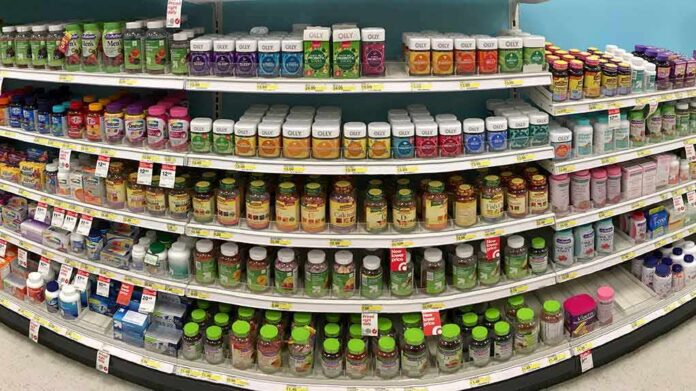
Before you swallow a single capsule of that “miracle” supplement your neighbor swears by, learn to spot the difference between real science and clever marketing.
Quick Take
- Federal regulators say supplement claims need real scientific backing, not just testimonials or buzzwords.
- Dietary supplements do not get reviewed by the government before they hit store shelves, unlike prescription drugs.
- Third-party seals and clear labels help you screen products, but they do not guarantee a supplement works.
- Red flags like “cures everything” claims or secret “proprietary blends” should make you pause before buying.
Why Supplement Claims Deserve a Second Look
Every year, Americans spend billions on vitamins, powders, and herbal pills promising energy, weight loss, or sharper memory. Many of these products never face the same testing a new drug must pass. The Food and Drug Administration (FDA) does not approve supplements before they go on sale, which means the burden falls on the shopper to ask hard questions before trusting the label.
Federal guidance is clear on one point. Companies making health claims should have “competent and reliable scientific evidence” behind them, judged by the meaning of the claim, how the evidence connects to it, and the overall quality of that research. That standard exists for a reason. It sets a bar sellers are supposed to clear, even though no one checks their homework before the product ships.
What Real Evidence Looks Like
Not all studies are created equal. A single lab test on mice does not carry the same weight as a large human trial repeated by different researchers. Skeptics who study health claims for a living recommend checking whether human trials exist, how many people were involved, and who paid for the research, since funding can quietly shape results.
Government nutrition education resources echo the same message: watch out for misinformation that spreads faster than facts, especially online, where flashy graphics and confident tones can make weak evidence look airtight. A claim that sounds too good to be true, promising to “cure” a disease or deliver dramatic results overnight, is almost always exactly that. Real recoveries take time and rarely come from a bottle.
Consumers should also learn to spot the difference between a “structure and function” claim, like supporting healthy joints, and an illegal disease claim, like curing arthritis. The Federal Trade Commission (FTC) advises checking whether marketers can back up every claim, spoken or implied, with solid science before consumers act on it.
Certification Seals Help, But They Are Not a Guarantee
Third-party testing seals from groups that check purity and dosage accuracy offer a useful shortcut. Harvard Health recommends looking for these certification marks and searching unfamiliar ingredients on FDA safety pages before buying anything new. These seals confirm a product contains what the label says, within reason, but they say nothing about whether the ingredient actually treats the condition it claims to help. That distinction matters. A perfectly pure vial of a supplement with no real evidence behind it is still a bad purchase. Certification screens for contamination and mislabeling. It does not screen for effectiveness. Shoppers who confuse the two may feel more confident than the facts actually support.
Talk to Someone Who Actually Knows Your Health History
No checklist replaces a conversation with a doctor or pharmacist who knows your medications and conditions. Supplements can interact with blood thinners, blood pressure drugs, and other prescriptions in ways a label will never mention. This step matters most for older adults, pregnant women, and anyone managing chronic illness, where a seemingly harmless pill can carry real risk.
The National Institutes of Health reminds consumers that “natural” does not mean “risk-free,” and that supplements can cause harm on their own or when mixed with other treatments. Common sense backs this up. Nobody would take a new prescription drug without asking questions first. A supplement bought off a shelf, with far less oversight, deserves at least the same level of caution, if not more.
The Bottom Line for Skeptical Shoppers
Evaluating a supplement claim boils down to a few honest questions. Is there real human evidence behind it? Does the seller hide behind vague “proprietary blends” instead of listing exact ingredients? Does a doctor agree it makes sense for your specific situation? Answering these before opening your wallet protects both your health and your money, in a market built to sell confidence first and proof second.
Sources:
artofhealthyliving.com, just-fly-sports.com, optimalamino.com, fda.gov, ods.od.nih.gov, pmc.ncbi.nlm.nih.gov