A UK general practitioner laid out simple home checks for leg circulation—and the one red-flag symptom you should never shrug off.
Story Snapshot
- A doctor explains how to spot poor leg circulation at home using clear steps.
- Walking pain that eases with rest is a classic warning sign of artery disease in the legs.
- Pulse checks, skin color changes, and temperature differences add useful clues.
- The ankle-brachial index confirms the diagnosis and guides next steps.
What the doctor showed and why it matters
The video centers on peripheral artery disease in the legs, where plaque narrows blood vessels and limits blood flow. The doctor starts with the history that matters most: pain in the calf, thigh, or buttock that starts with walking and fades within minutes of rest. That pattern, called intermittent claudication, functions like “angina for the legs” and should trigger a medical visit, not a wait-and-see approach. Viewers also hear to look for slow-healing sores or hair loss on the shins, which can track with poor flow.
Hands-on checks begin at the foot. The doctor advises feeling for pulses at the top of the foot and behind the inner ankle. A weak or absent pulse can suggest lower flow. Skin that turns pale or bluish, or that feels much cooler than the other side, adds weight to the concern. Color changes with elevation and dangling the leg can hint at poor perfusion. Capillary refill at the toenails—press, blanch, release, count seconds—offers another quick data point, though it is not a diagnosis by itself.
Turning clues into a plan: the ankle-brachial index
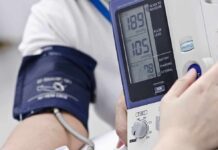
The video points to the ankle-brachial index as the key next step. This test compares blood pressure at the ankle with blood pressure at the arm. A healthy result is about 1.00 or higher. Numbers below 0.90 at rest support a diagnosis of peripheral artery disease, while very high values can signal stiff, noncompressible arteries that need other tests. National guidance places the ankle-brachial index at the front of the diagnostic pathway when symptoms or exam findings suggest disease.
Viewers also hear the limits of screening. Major bodies have not endorsed routine ankle-brachial index checks in adults without symptoms and without clear risk factors. The United States Preventive Services Task Force concluded evidence is not sufficient to back blanket screening in asymptomatic adults. Targeted testing for people with leg symptoms or high risk still makes sense and lines up with common sense and good stewardship.
Who should act now, and what action looks like
Adults over 40 with calf pain on walks, slow-healing foot sores, or clear pulse changes should call their clinician. A basic visit includes a medical history, pulse exam, and a look at skin color and temperature. If signs point to poor flow, the ankle-brachial index and, when needed, an ultrasound map the problem and guide treatment. Primary care teams can start risk control on day one: stop smoking, walk training, blood pressure and cholesterol control, and diabetes management remain the heavy hitters.
7. A foot sore that won't heal is never one to wait on.
High blood sugar and poor circulation both slow healing, and numb feet can hide a wound.
Repair runs on oxygen and blood supply.
Check your soles daily, and see a doctor within days, not weeks.
— Lorenzo Rossi (@mind_and_beauty) September 30, 2026
For readers who like checklists, keep it simple. First, note what sparks the pain and what stops it; walking pain that ends with rest is a big clue. Second, compare both feet for warmth, color, and pulse strength side to side. Third, try a nail bed refill check; a slow return adds a clue, but do not overread it. Fourth, book the ankle-brachial index if symptoms or signs stack up; it anchors the diagnosis and the plan.
Where this fits in the bigger picture
Peripheral artery disease hides in plain sight and grows with age. Estimates vary by method, but millions of adults have a low ankle-brachial index, with rates rising in older groups. The appeal of a clear, do-it-now video is obvious: it hands viewers a map from vague leg pain to a test that matters. That aligns with a conservative value set: catch real problems early, use proven tools, and avoid wasteful, blanket testing when risk is low.
Sources:
scienceinsights.org, advancestudy.org, texashealth.org, massgeneralbrigham.org, yahoo.com, uspreventiveservicestaskforce.org, escardio.org, professional.heart.org, pmc.ncbi.nlm.nih.gov