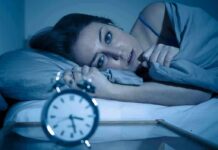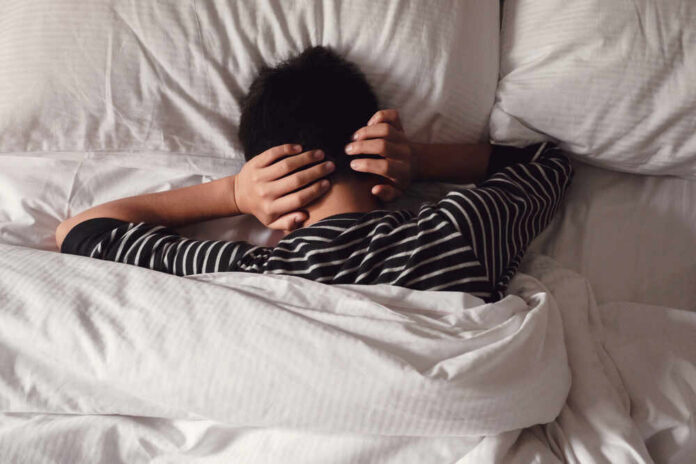
Your sleep tracker might be the very thing destroying your sleep, turning a biological necessity into a performance anxiety nightmare that keeps you awake at night.
Story Snapshot
- Orthosomnia affects roughly 36% of sleep tracker users who already struggle with anxiety or insomnia, creating a vicious cycle where monitoring worsens the problem it aims to solve
- Wearables like Oura Ring and Apple Watch provide unreliable sleep stage data that clinicians compare to horoscopes, yet users obsess over scores and metrics that have little scientific validity
- The pursuit of perfect sleep scores triggers cortisol spikes and hyperarousal, the exact biological mechanisms that cause insomnia in the first place
- Functional medicine practitioners now recommend using trackers only temporarily to identify obvious problems like caffeine timing, then abandoning them in favor of subjective sleep quality
- Sleep clinics report weekly visits from patients clutching spreadsheets and demanding explanations for low REM percentages, prioritizing device data over their own lived experience
When Optimization Becomes Obsession
Patients arrive at sleep clinics armed with months of data, color-coded spreadsheets documenting every fluctuation in their deep sleep percentages, and desperate questions about why their Oura Ring gave them a 72 instead of an 85. They feel exhausted but their tracker insists they got seven hours. They feel rested but the app claims their REM was suboptimal. This disconnect between subjective experience and algorithmic verdict has spawned a new form of insomnia that clinicians never encountered before the smartphone era. Functional medicine practitioner Chris Kresser sees this pattern repeatedly in his practice, where the tool meant to solve sleep problems becomes the primary source of sleep disruption.
The Birth of a Modern Sleep Disorder
Dr. Kelly Glazer Baron coined the term orthosomnia in 2017 after observing patients at Northwestern University who were fixated on achieving perfect sleep metrics despite having no actual sleep pathology. These individuals practiced impeccable sleep hygiene, maintained consistent schedules, and avoided all the standard sleep disruptors, yet they suffered from anxiety-driven insomnia triggered purely by their devices. The condition emerged alongside the explosion of consumer wearables in the 2010s, when companies like Fitbit, Apple, and later Oura and Whoop convinced millions that sleep could be quantified, optimized, and perfected like a fitness goal. Baron now sees multiple orthosomnia cases weekly at the University of Utah, patients who arrive not with complaints of tiredness but with complaints about numbers.
The Biological Backfire of Sleep Surveillance
The irony cuts deep: worrying about sleep quality activates the stress response system that makes quality sleep impossible. When users check their morning sleep score and discover disappointing numbers, their bodies release cortisol, the primary stress hormone that promotes wakefulness and alertness. This creates hyperarousal, a state where the nervous system remains in high gear even when the body desperately needs rest. The next night, they lie in bed acutely aware they’re being monitored, wondering if tonight’s score will improve, which generates more anxiety and more cortisol. Dr. Michael Grandner from the University of Arizona describes consumer sleep stage metrics as essentially nonsense, no more scientifically valid than horoscopes, yet users treat them as medical diagnoses.
The Data Delusion
Sleep trackers excel at determining whether someone is awake or asleep, a basic distinction that most people can assess without a device. Beyond that fundamental binary, the technology stumbles badly. REM cycles, deep sleep percentages, and sleep stage transitions require medical-grade polysomnography equipment found only in clinical sleep labs, not the accelerometers and heart rate monitors in wrist-worn devices. Sleep researcher Drew Copeland observes that the pursuit of perfect metrics directly impairs actual sleep quality, creating a scenario where higher scores correlate with worse subjective experience. A 2024 study published in Brain Sciences estimated that among 500 sleep tracker users, approximately 36% exhibited orthosomnia tendencies, particularly those with preexisting anxiety or perfectionist traits.
Maladaptive Behavior Loops
Orthosomnia doesn’t just create anxiety, it spawns counterproductive behaviors that entrench insomnia. Patients extend their time in bed, reasoning that more hours provide more opportunities for quality sleep, but this actually fragments sleep architecture and reduces sleep efficiency. Others start sleep restriction protocols without clinical guidance, or they fixate on specific metrics like REM percentage and attempt to manipulate it through supplements or schedule changes that have no scientific basis. Baron describes patients who shove their phones at her during appointments, demanding explanations for why Wednesday’s deep sleep was 12% instead of 15%, completely bypassing the relevant clinical question of whether they feel rested and function well during the day.
The Marketing Machine Versus Medical Reality
Sleep technology companies have built a multi-billion dollar industry by promising optimization, selling the idea that better scores equal better health. Their marketing emphasizes empowerment, control, and data-driven improvement, appealing to the same achievement-oriented personalities most vulnerable to orthosomnia. The companies rarely acknowledge the limitations of their algorithms or the potential for their products to cause harm. Meanwhile, clinicians push back with evidence-based treatment approaches, particularly Cognitive Behavioral Therapy for Insomnia, which Kresser describes as the gold standard. CBT-I focuses on behavioral changes and cognitive reframing rather than metrics, teaching patients to trust their bodies rather than their devices. This creates a fundamental tension between tech marketing and medical guidance.
When Tracking Makes Sense and When It Destroys
Sleep trackers offer genuine value in specific, limited contexts. They can reveal patterns that users might miss, like the sleep disruption caused by that 4 PM espresso or the three drinks at dinner. They can identify severe problems like sleep apnea that warrant medical evaluation. For individuals without anxiety tendencies or sleep disorders, casual tracking might provide interesting feedback without negative consequences. Kresser recommends using trackers as a temporary diagnostic snapshot, gathering enough data to identify obvious problems, then stopping before obsession develops. The key distinction lies in whether the device serves the user or the user serves the device, whether data informs decisions or dictates emotional states.
Reclaiming Sleep as a Biological Process
The path out of orthosomnia requires a fundamental mindset shift, from viewing sleep as a performance metric to understanding it as a biological process with natural variation. No one sleeps perfectly every night. External factors from stress to hormones to ambient temperature affect sleep quality in ways no optimization protocol can eliminate. Subjective experience matters more than algorithmic scores. If someone feels rested, functions well, and maintains good daytime energy, their actual sleep quality is fine regardless of what their wearable claims. Experts consistently emphasize this point: trust how you feel over what your device tells you. For the 36% of tracker users sliding toward orthosomnia, the most therapeutic intervention might be deleting the app and rediscovering what humans did for millennia before wearables existed—simply going to sleep without surveillance.
Sources:
The Score in Your Bedroom: Is Tracking Your Sleep Actually Good for You?
Can Tracking Sleep Make It Worse?