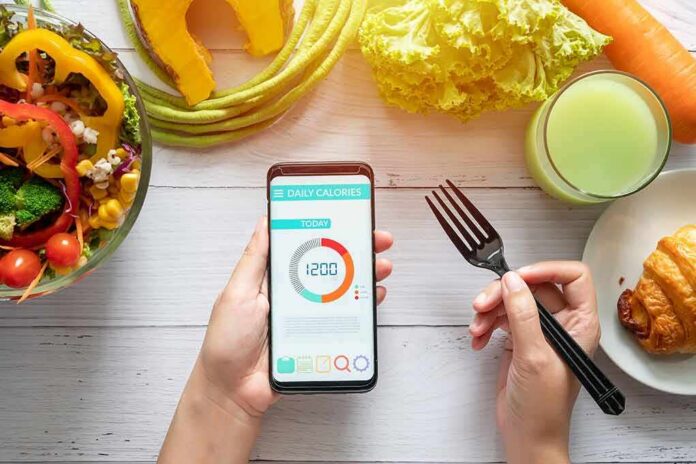
A new pilot study out of Johns Hopkins shows teenagers with prediabetes will actually use a health app between doctor visits, and most say they liked it.
Quick Take
- Johns Hopkins researchers tested a mobile app called Prosper with adolescents diagnosed with prediabetes.
- Between 96% and 100% of participants said the app was easy to use.
- Between 74% and 87% reported being satisfied with the experience overall.
- The study measured feasibility and engagement, not long-term blood sugar reversal.
- It joins a growing wave of digital tools aimed at stopping prediabetes before it becomes type 2 diabetes.
A Pilot Study Puts A Youth Prediabetes App To The Test
Researchers at The Johns Hopkins University School of Medicine ran a peer-reviewed pilot study on Prosper, a mobile health platform built by Uneo Health. The goal was simple. Could an app help teenagers with prediabetes build healthier habits in the time between clinic appointments, when most of daily life actually happens?
The study is officially titled “Feasibility, Acceptability, and Efficacy of Using a Mobile Health Application for Lifestyle Modification in Youth With Prediabetes: A Prosper App Study.” It was published in Diabetes, Obesity and Cardiometabolic Care, giving it real academic weight rather than just marketing buzz from a health-tech startup.
Prediabetes in teenagers is a growing concern for parents and pediatricians alike. Left unaddressed, it often becomes full type 2 diabetes in adulthood, bringing a lifetime of medication, monitoring, and health complications. Catching it early, while habits are still forming, gives families a real shot at reversing course before things get worse.
Kids Actually Liked Using It, And That Matters
The numbers here are the headline. Nearly every participant, somewhere between 96% and 100%, said Prosper was easy to use. That is a rare result for any health app aimed at teenagers, a group notoriously quick to delete anything that feels like homework disguised as tech.
Satisfaction ran a bit lower but still strong, with 74% to 87% of participants reporting they were happy with the app overall. For a pilot study, those figures suggest the tool cleared a real hurdle: teens didn’t just download it, they stuck with it long enough to form an opinion worth reporting.
That distinction matters because engagement is the bottleneck for nearly every digital health tool. An app that nobody opens after week one cannot change anyone’s blood sugar. Johns Hopkins’ pilot suggests Prosper cleared that first, and often hardest, hurdle for a teenage audience.
Why This Fits A Bigger Pattern In Digital Health
Mobile health apps for prediabetes are not new. Sweetch, a coaching app also studied at Johns Hopkins, previously showed patients using it lost a mean of 3.5 pounds and boosted their weekly physical activity. More recently, an AI-powered coaching program matched the results of human coaches while pulling in higher engagement rates.
Adults have more evidence behind them than teens do right now. A broader review of digital lifestyle interventions found people with prediabetes following online behavioral programs were 46% less likely to develop type 2 diabetes over the next decade. That is a meaningful number, and it raises the stakes for getting youth-focused tools right too.
Research on apps built specifically for adolescents remains thinner. A 2015 review of mobile apps for kids managing chronic conditions found only four studies solid enough to count out of nineteen candidates. More recent reviews of digital diet and activity tools for children still describe the field as promising but not yet proven for long-term weight or blood sugar changes.
That gap between early enthusiasm and hard clinical proof is not unique to teenagers. A review of digital interventions for older prediabetic patients found mobile health “was not sufficiently proven to be effective” for that age group either. The Prosper pilot, then, is not an outlier story; it is an encouraging data point in a field still building its case.
What Comes Next For Families And Doctors
Feasibility and satisfaction are the first checkpoints, not the finish line. The real test for Prosper and similar apps will be whether they move actual clinical markers, like A1C levels and body mass index, over months and years rather than weeks of a pilot program.
For now, parents watching a teenager’s prediabetes diagnosis have another option worth discussing with their pediatrician. An app that teens will actually open and use, with satisfaction rates north of 74%, is not a small thing in a field where most digital tools quietly fade into unused home screens.
Sources:
youtube.com, linkedin.com, hopkinsguides.com, clinicaltrials.gov, pure.johnshopkins.edu, apps.apple.com, biospace.com