A simple calf-pumping exercise performed while sitting might slash your blood sugar more effectively than many traditional workouts, and you don’t even need to break a sweat.
Story Snapshot
- Soleus push-ups and other seated exercises significantly lower blood sugar and insulin levels, confirmed by a 2025 research review
- These chair-based movements require no equipment and cause minimal fatigue, making them ideal for people with diabetes or limited mobility
- Certified diabetes specialist LaurieAnn Scher reports blood sugar drops within 10-20 minutes of performing these exercises
- The soleus muscle in the calf provides sustained glucose uptake without the exhaustion typical of conventional cardio
- Exercises rival insulin’s effectiveness in controlling blood glucose according to diabetes researchers
The Surprising Power of the Soleus Muscle
Marc Hamilton, a biology and biochemistry professor at the University of Houston, developed the soleus push-up after discovering something remarkable about the calf muscle that runs from below your knee to your heel. This overlooked muscle possesses unique metabolic properties that allow it to consume blood glucose for extended periods without fatiguing. Unlike high-intensity exercises that can paradoxically spike blood sugar, the soleus push-up activates this muscle through gentle, repetitive heel raises while seated. The movement appears deceptively simple, but Hamilton’s research demonstrates it triggers substantial glucose uptake that continues far longer than conventional exercises.
Clinical Evidence Validates Blood Sugar Benefits
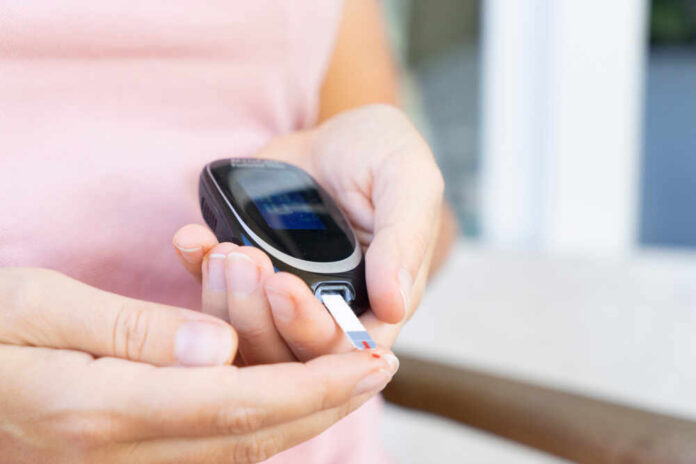
The 2025 review cemented what diabetes specialists had observed in practice: seated lower-body exercises produce measurable improvements in blood sugar and insulin levels. LaurieAnn Scher, a certified diabetes care specialist, emphasizes the dramatic effect these movements create. She recommends patients check their glucose before starting a 10-minute session, then recheck afterward to witness the decline themselves. Personal testing by diabetics confirms glucose reductions appearing within 15 to 20 minutes post-exercise. This rapid response offers immediate feedback that motivates continued practice, unlike traditional exercise programs where benefits accumulate gradually over weeks or months.
Accessibility Transforms Diabetes Management
The beauty of seated exercises lies in their universal accessibility. Patients need only a stable chair and their own body weight to begin. Optional additions like light hand weights or food cans can increase intensity for those progressing in their routines. The American Diabetes Association has long emphasized regular activity for seniors with diabetes, but standing exercises posed barriers for many with balance issues, joint problems, or severe mobility limitations. Chair-based movements eliminate these obstacles. Diabetes Canada promotes these workouts specifically for slowing disease progression, noting that single exercise bouts can match insulin’s glucose-lowering effects without medication side effects or costs.
Beyond Soleus Push-Ups: Expanding the Routine
While the soleus push-up garners attention for its unique mechanism, other seated exercises complement blood sugar management. Chair marches, where knees lift alternately toward the chest, engage major leg muscles that consume glucose during contraction. Seated leg extensions work the quadriceps, while seated squats performed by lowering and raising the body using chair armrests activate multiple muscle groups simultaneously. These variations prevent boredom and distribute workload across different muscle systems. Experts universally recommend moderate pacing rather than high-intensity bursts, which can temporarily raise blood sugar through stress hormone release. The goal centers on sustained, comfortable movement that individuals can maintain for 10 minutes or longer.
Practical Implementation and Long-Term Outcomes
Starting these exercises requires minimal preparation but benefits from smart monitoring. Scher advises checking glucose levels before and after initial sessions to establish personal response patterns, as individual reactions vary. Most diabetics discover their sweet spot between 10 and 20 minutes of continuous movement. Short-term gains include immediate glucose reductions and prevention of post-meal spikes. Long-term benefits compound impressively: stabilized daily glucose levels, improved weight maintenance, enhanced muscular endurance, and measurably slowed diabetes progression. The zero-cost, home-based nature removes financial barriers while reducing healthcare system burdens. Mental health improves through stress reduction and the psychological boost of taking active control over a chronic condition.
The research-to-practice pipeline connecting Hamilton’s academic work through specialists like Scher to patients demonstrates how targeted innovation addresses real-world health challenges. These seated exercises represent more than convenient alternatives to traditional workouts. They embody practical solutions aligned with common sense: simple movements anyone can perform, immediate measurable results, and freedom from dependency on expensive equipment or facilities. For the millions managing diabetes or at risk for developing it, a chair and 10 minutes might deliver what elaborate gym memberships cannot—consistent, sustainable blood sugar control that fits seamlessly into daily life regardless of physical limitations or age.
Sources:
4 Exercises to Lower Blood Sugar – diaTribe
Chair Exercises for Type 2 Diabetes – BezzyT2D
Best Exercises for Seniors with Type 2 Diabetes – Live2BHealthy
Chair Workout – Diabetes Canada
Seated Exercises to Lower Blood Sugar – mindbodygreen
Diabetes Chair Exercises – St. Joseph’s Healthcare